

I get this question a lot at PopNya, both online and in person at conventions. Someone walks up, their eyes scanning the shelves, and they land on the feline section. "I want to get a cat blind box," they say, "but which one is... Good?"
And that's the million-dollar question, isn't it? Because "good" means something totally different depending on who you are. The world of cat-themed collectibles isn't one big happy family. It's more like two distinct, passionate kingdoms that happen to share a border.
In one kingdom, you have the designer art toys. Think stylized, imaginative, and dripping with artist personality. In the other, you have the hyper-realistic miniatures, where the goal is to capture the essence of a real cat so perfectly you do a double-take.
So, let's put two champions in the ring. From the designer kingdom, we'll look at the work of Litor's Works, famous for their Umasou! And Roni series. And from the realism kingdom, the undisputed master: Kitan Club, the Japanese company behind those viral cat figures you've definitely seen online.
The Designer Darling: Litor's Works and the Art of the "Blind Box Kitty"
When you buy a designer cat figure blind box, you're not just buying a toy. You're buying a tiny piece of an artist's vision. Litor's Works is a perfect example. Their most famous creation, Umasou!, is a little character wearing a dinosaur costume. But they've also ventured into the feline world with figures like Roni, a delightfully chonky orange cat that perfectly captures the "one-brain-cell" energy of his real-life counterparts.
The experience starts with the box itself. It's thick, matte-finished cardstock, with beautiful illustrations. It feels premium. Inside, the figure is sealed in a foil bag. The anticipation is a huge part of the fun. Will you get the one you want? Or even better, the secret "chase" figure?
The Feel and The Finish
These figures are almost always made of vinyl. It has a satisfying weight and a smooth, pleasant feel. The designs are all about interpretation. Roni isn't a photorealistic cat; he's the idea of a lazy, food-motivated cat, exaggerated into a perfect, palm-sized sculpture. You'll see him lounging in a ramen bowl or getting squished into a piece of toast. It's creative. It's funny. It's art.
But let's be real. This premium experience comes with a premium price tag. A single box can run you anywhere from $14 to $20. And if you're hunting for a specific blind box kitty from the series, you'll either be buying multiple boxes (and dealing with duplicates) or heading to the secondary market where prices can get a little wild. I've seen the secret chase from a popular cat series retail for $18 and then pop up on collector forums for $150 a week later. It's a whole different game, and if you're just starting out, it's worth reading up on the unspoken rules of the blind bag game before you dive in.
A Quick Warning on Quality
While the artistry is top-notch, the production isn't always flawless. I've noticed that matte-finish figures, especially in lighter colors, can be prone to small scuffs or paint transfers right out of the box. It's usually minor, but for a perfectionist, it can be a little frustrating. Also, the old "weigh the box" trick to find the secret? Forget it. Manufacturers got wise to that years ago. With modern series, especially ones with varied accessories, the weights are so balanced it's a total crapshoot.
The Realistic Contender: Kitan Club and the Gachapon Gang
Now, let's journey to the other kingdom. Kitan Club is a Japanese company that specializes in gachapon, the capsule toys you get from vending machines. But don't let the "vending machine toy" image fool you. The quality and detail on their cat figurines blind box series are absolutely insane.
These aren't stylized art pieces. They are miniature, shockingly accurate cat sculptures. We're talking anatomically correct poses, intricate fur textures, and paint jobs that perfectly replicate the patterns of a calico, a tabby, or a Siamese. They're famous for series like cats wearing fruit hats, cats peeking out of paper bags, or the ones designed to hang precariously off the edge of your cup.
The Thrill of the Hunt (and the Price)
The collecting experience is totally different here. These often come in cat blind bags or plastic capsules, not fancy boxes. The price is much more accessible, usually in the $5 to $10 range. The focus isn't so much on a single, ultra-rare "secret" figure. Instead, the joy comes from the sheer variety and the challenge of completing a full set of, say, six different cat poses.
The material is different, too. It's typically a harder PVC plastic, not the soft vinyl of designer toys. This allows for incredibly fine details, you can see the individual toe beans on their paws, but it can also feel a bit more brittle. I've had a few tragic incidents with a Kitan Club cat taking a tumble off a high shelf. (RIP, little buddy).
Availability and Authenticity
For years, these were tough to find outside of Japan. You'd have to go to specialty import shops or hunt them down on eBay. Now, they're becoming more mainstream. You might find them at bookstores or comic shops. But a word of caution: the popularity of Kitan Club has led to a flood of knock-offs, especially on sites like Amazon and AliExpress. If the price seems too good to be true for a full set, it probably is. The fakes often have sloppy paint, a weird chemical smell, and are made from a cheaper, shinier plastic. Stick to reputable sellers.
The Showdown: Designer vs. Realistic
So, how do they stack up head-to-head?
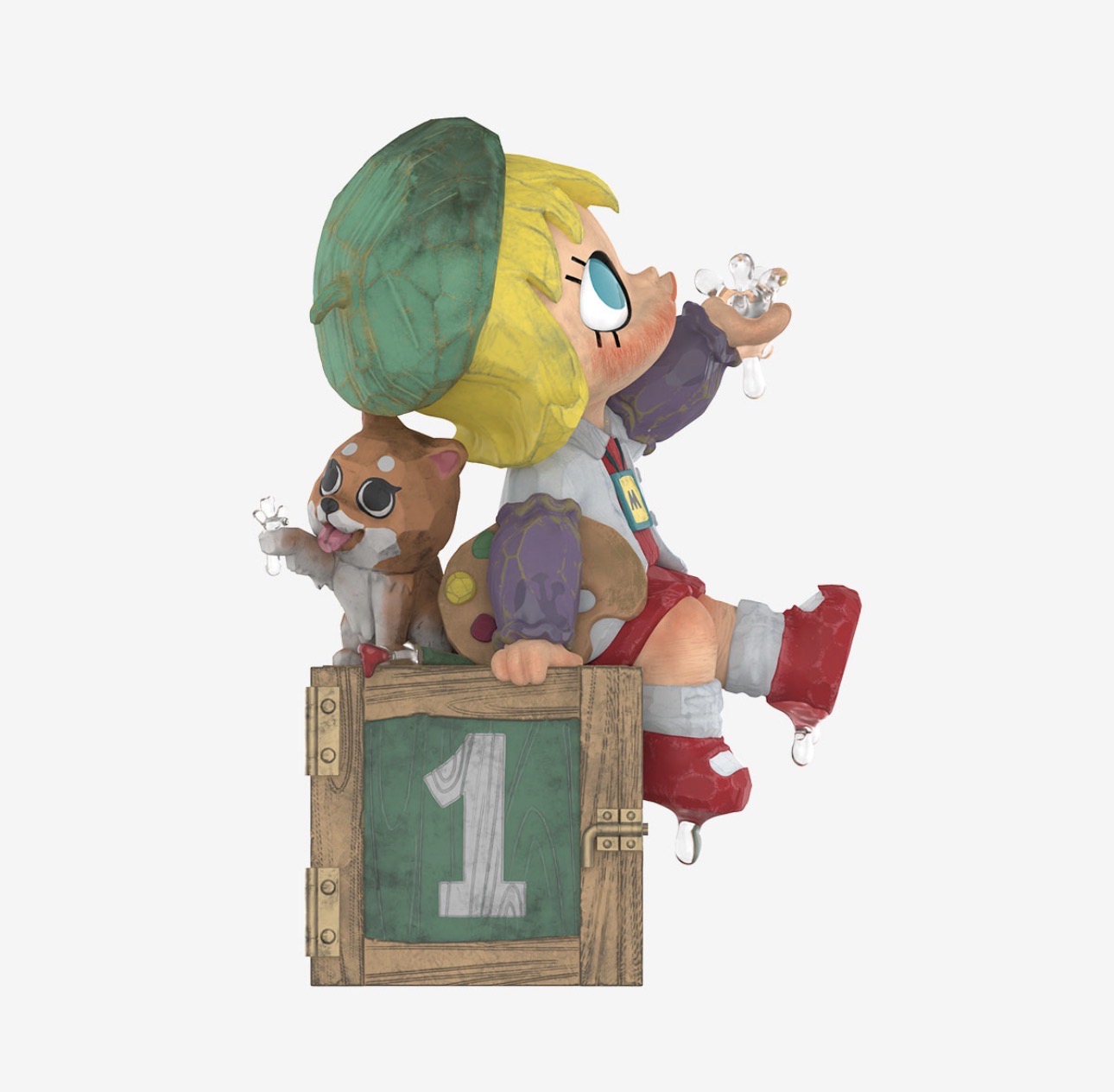
Artistry & Design: This is purely subjective. Designer toys like those from Litor's Works or the ever-popular MOLLY collection are about creative expression and character. They have a story. Realistic figures from Kitan Club are about technical mastery and celebrating the beauty of the real thing. It's the difference between a Picasso and a photograph. Both are valid forms of art, but they appeal to different sensibilities.
Quality & Material: Designer vinyl feels more substantial and "premium." It's satisfying to hold. Kitan Club's hard plastic allows for finer detail but can feel less like a "collectible" and more like a high-quality miniature. In my experience handling hundreds of both, I've found Kitan Club's paint application to be slightly more consistent across a production run. Designer toys, with their more complex colorways and finishes, have a slightly higher chance of a minor flaw. It's a trade-off.
Price & Value: This is the biggest differentiator. You could complete an entire Kitan Club cat blind box series of six figures for around $50-60. For that same price, you might only get three or four designer blind boxes. The perceived value is where it gets tricky. Is one beautifully designed, artist-driven vinyl figure worth more than three incredibly detailed, realistic miniatures? For many, the answer is yes. The aftermarket value also reflects this. A standard Kitan Club figure rarely appreciates in value, while a desirable designer figure can become a serious investment.
The Unboxing Experience: No contest here. The designer blind box wins. The packaging, the foil, the weight of the box, it's a whole ritual. It's an event. Opening a Kitan Club capsule is more straightforward. It's a quick, simple hit of dopamine. Fun, but not an experience. If the ceremony of unboxing is a big part of your enjoyment, you're probably in the designer camp.
Real Talk: My Honest Verdict
Okay, so which one do I recommend?
Honestly, it depends entirely on your "why." Why are you collecting?
If you're drawn to the art toy scene, the community, the thrill of the chase, and the idea of collecting an artist's work, you have to go with a designer cat blind box series. The experience is more holistic. You're not just getting a figure; you're participating in a culture. It's the same reason people line up for the latest Skullpanda or MOLLY drop. It's a scene. For new collectors, I often suggest starting here because the "wow" factor of opening your first high-quality designer toy is what gets you hooked.
However, if you are a die-hard cat lover, someone who just wants to fill their shelves with tiny, adorable feline companions in every conceivable pose, then Kitan Club is your holy grail. It's less about hype and more about pure appreciation for the animal. It's a quieter, more personal form of collecting.
The designer toy collectors are often chasing a specific figure and get audibly frustrated with duplicates. The Kitan Club collectors, on the other hand, seem to genuinely enjoy getting duplicates because it means they have one to trade with a friend to complete their set. It's a more collaborative, less competitive vibe.
Beyond the Big Two
Of course, the world of cat blind boxes is bigger than just these two.
* Pusheen: The OG cute cat. Pusheen offers both vinyl figures and plush cat blind bags, which is a whole other world. The debate between vinyl vs. Plush collectibles is a fierce one, and Pusheen sits right at the center of it. * 52Toys CBB Theatre Cat Series: These are incredible. Each box contains a cat figure that's part of a tiny, intricate diorama. They're more like little playsets, and the level of detail is astounding. * Smoko Astro Cat Blind Box: For those who like a theme, these astronaut kitties are just plain cool. It shows how a simple concept, cats in space, can be executed with a ton of personality.
Ultimately, there's no right or wrong answer in the great cat blind box debate. My shelves are a chaotic mix of both. A realistic Kitan Club cat is currently trying to climb the head of a designer Roni figure on my desk. And it looks perfect.
The best advice I can give is what I lay out in my general blind box playbook: start with one. Pick the one that makes you smile the most. Open it. See how it feels in your hand. See if it sparks joy. Because at the end of the day, that's what this is all about.
Disclosure: PopNya may earn a commission if you purchase through links on this page.


