

A few weeks ago, I sold a single, 3-inch tall vinyl figure of a monster holding a piece of toast for $95.
The figure, Soymilk from The Monsters Exciting Macaron series, retailed for about $17. That's a 450% markup in less than a month. You see headlines about Pop Mart's soaring revenue and think, "Wow, Labubu is popular." But you don't really get it until you see that kind of frenzy on the ground floor. The official corporate numbers are just echoes of the real chaos happening in the collector market.
As the owner of PopNya, I live in that chaos. I'm not looking at spreadsheets from a financial analyst; I'm looking at my own inventory, my DMs flooded with requests, and the minute-by-minute price fluctuations on eBay, Mercari, and collector forums. The public-facing labubu sales data is all about Pop Mart's success. My data is about your success as a collector. And they are two very different things.
The Two Markets: Retail vs. Reality
First, you have to understand there are two parallel universes for Labubu.
Universe 1: The Retail Market. This is Pop Mart's world. A blind box costs a set price, usually between $15 and $18. You can buy it from their official stores, their Tmall page, or a licensed retailer like me. The data here is simple: units sold x price = revenue. This is what news articles report on. It's clean, simple, and honestly, pretty boring.
Universe 2: The Secondary Market. This is our world. It's the Wild West. It's where that $17 box gets opened, and the common figure inside is suddenly worth $10 (a loss), while the chase figure is worth $200. Or, in the case of the Macaron series, even a "common" figure like Soymilk becomes a mini-god, commanding prices that make no logical sense. This market is driven by hype, scarcity, FOMO, and the pure, unadulterated love for a specific design.
The real story of Labubu isn't in Universe 1. The financial reports can't tell you why Soymilk is worth more than Lychee, or why the Zimomo mega plushes disappeared from the face of the earth. For that, you need to be in the trenches.
A Case Study in Madness: The Exciting Macaron Series
Let's use The Monsters Exciting Macaron series as a perfect, insane example. Before this series dropped, the Labubu market was hot but manageable. You had your chase figures that went for a premium, but most commons were traded or sold for around retail price.
Then the Macarons landed.
The designs were just… perfect. The pastel colors, the cute food themes, the slightly dazed expressions. It was a perfect storm. The moment they were released, the secondary market exploded in a way I hadn't seen before.
Here's some real-world data from my own observations and sales at PopNya:
* Soymilk: Retail ~$17. Initial peak price: $100-$120. Current stable price: $60-$75. * Sesame Bean: Retail ~$17. Initial peak price: $80-$95. Current stable price: $50-$60. * Lychee: Retail ~$17. Initial peak price: $50-$60. Current stable price: $30-$40. * Sea Salt Coconut (The Chase): Retail ~$17. Peak price: $250+. Current stable price: $180-$220.
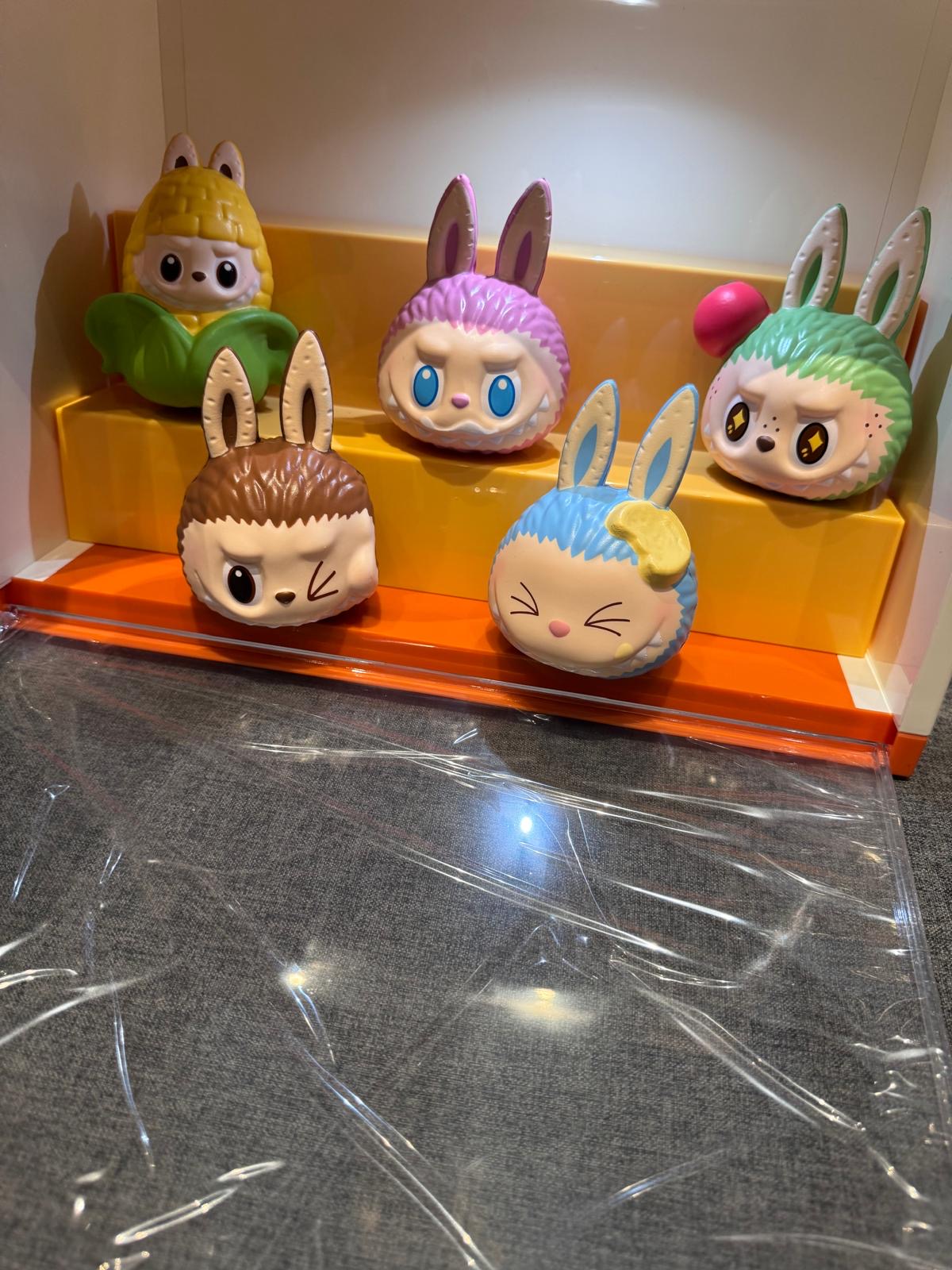
What does this tell us? The initial hype was astronomical and unsustainable. Early flippers who got their hands on cases made a killing. But notice the correction. Prices have come down but are still sitting at 2-3x retail for the most popular designs. This isn't a bubble that popped; it's a new, higher plateau for the most-wanted figures.
For my store, it was a nightmare and a blessing. I couldn't keep them in stock. For every case I managed to secure, I had 50 people asking for it. It proved the demand was real, but it also created a huge amount of frustration for genuine collectors who just wanted to buy a box at a fair price. The transactional intent was off the charts, but the supply was a puddle in the desert.
*Beyond the Hype: What Actually* Sells Long-Term?The Macaron series is an anomaly. You cannot expect every series to perform like that. NGL, trying to flip a common figure from a less-hyped series like "The Monsters Constellation" or "Let's Christmas" is a fast way to lose money. After shipping and platform fees, you'll be lucky to break even.
So what does have staying power?
Out-of-Production Series: This is where the real collector's knowledge comes in. A common figure from the 2019 "Monsters Toys" series might be worth more than a common from a 2024 series. Why? Because it's gone. You can't just walk into a Pop Mart and buy it anymore. New collectors who are just discovering Labubu want to complete their sets, and they have to turn to the secondary market. I've seen the original "Tycoco" figure sell for $40-$50, purely because of its age and scarcity.
The "Ugly" Ducklings: Sometimes, a design that isn't instantly popular finds its audience later. I remember when the "Monsters Fruits" series came out, nobody was really chasing the Durian figure. It was kinda weird. Now? It has a cult following. People who love the spiky, grumpy design will pay a premium for it. It's a good reminder that collecting shouldn't just be about following the hype.
The Trading Game:* The secondary market isn't just about selling; it's a complex web of trades. Understanding what people are willing to trade for is key. Someone might not pay $50 for your figure, but they might trade you a different figure that you* can sell for $50. It's a whole ecosystem. If you're just getting into it, reading up on the real deal on LABUBU trading is basically required homework.
The European Question and The Outfit Economy
I get emails and see forum posts all the time asking, is labubu popular in europe?
The short answer is yes. The long answer is, it's complicated.
From my perspective at PopNya, the demand from Europe is strong and growing. I ship packages to the UK, Germany, France, and the Netherlands all the time. The problem for European collectors isn't a lack of interest; it's a lack of access. While Pop Mart has opened stores in places like London, the distribution network isn't as robust as it is in Asia or even North America.
This creates a few interesting market effects: 1. Higher Secondary Market Prices: Because it's harder to get products at retail, the local secondary markets in Europe can sometimes have higher baseline prices. Collectors are willing to pay a bit more to avoid international shipping costs and customs fees. 2. Slower Hype Cycles: Sometimes, a series that has already peaked in Asia or the US is just starting to get hot in Europe. I'll see a spike in orders for an older series from European addresses weeks after the hype has died down elsewhere. 3. Different Tastes: I've noticed European customers sometimes gravitate towards different series or figures than my US or Asian buyers. The more "artistic" or darker series, like some of the earlier Kasing Lung designs, seem to have a dedicated following there.
So, yes, it's very popular. But the market dynamics are different. It's a region ripe with passionate collectors who are currently underserved by the primary retail market.
And then there's the whole other economy layered on top of the figures themselves: the outfits. The rise of the Labubu plushie keychain created a phenomenon I call the "Labubu-as-a-mannequin" effect. People buy the base plushie, often the plain white "Blanc", and then spend a fortune dressing it up.
This has created a booming cottage industry for tiny clothes, hats, and accessories. A single, fan-made, limited-run outfit can sell for $30, $50, or even more. The base plushie is just the starting point. This completely changes the value proposition. A "common" plush that costs $20 can become a $100+ creation with the right outfit. It's a fascinating side-market that adds a whole new dimension to collecting, and it's something that high-level sales reports will never, ever capture. The creativity is amazing, but there are definitely some unspoken rules of the Labubu outfit game you need to know before diving in.
Our Take: Real Talk on the Labubu Market
Look, I love these little monsters. They're the reason I started PopNya. But I have to be honest. The market right now is volatile. The Macaron-level hype is not sustainable for every single release. Pop Mart is a business, and they will continue to produce more and more, which will inevitably dilute the scarcity of some series.
My advice? Don't get into Labubu as a pure "investment." The chances of you getting rich by flipping blind boxes are slim to none. You're more likely to end up with a living room full of common figures you can't sell.
Collect what you love. If you think Soymilk is the cutest thing you've ever seen and you're willing to pay $70 for it because it makes you happy, do it. That's what this hobby is about. If you're buying it because you think you can sell it for $140 next month, you're gambling.
I believe the high-end, genuinely rare pieces (like chases from out-of-production series or exclusive event figures) will continue to hold and increase their value. But the market for mid-tier commons is going to get softer. We're already seeing it. Commons from the newest series are barely fetching retail price on the secondary market. The gold rush is narrowing its focus to only the most hyped figures.
This is actually a good thing for genuine collectors. It means you might be able to pick up the figures you want without having to fight off a horde of flippers.
The data tells a story of explosive growth, but my experience tells a story of a market that's maturing. It's becoming more nuanced. The dumb money is leaving, and the passionate collectors are the ones who will define its future.
For now, I'm just trying to navigate it like everyone else, and keep my shop stocked with the designs I personally love. It's a constant battle to source the good stuff, but finding a rare box for a customer who has been searching for months makes it all worth it. If you're ever curious about what's out there, you can always browse LABUBU figures we have in stock and see what we've managed to hunt down. The hunt is, after all, half the fun.
Disclosure: PopNya may earn a commission if you purchase through links on this page.


