

I saw a piece of art the other day that stopped me in my tracks. It was a simple, beautifully rendered illustration of the Tycoco Labubu from the Monsters Exciting Macarons series. In the drawing, he wasn't just a vinyl figure holding a macaron. He was sitting on a windowsill, looking out at a rainy street with a slightly melancholic expression, a half-eaten pastry on a plate beside him. It told a story. It gave him a personality. And my first thought wasn't "what a nice drawing." It was, "I need to go check my stock for Tycoco."
This is the reality of the designer toy world in 2024. And it's why I'm going to make a bold claim: Labubu fanart is the single most powerful force driving the brand's popularity and market value right now. More than Pop Mart's official campaigns. More than the in-store displays. The fan community, with its endless stream of creativity, is the real kingmaker.
As the owner of PopNya, I'm not just selling these figures; I'm immersed in the culture around them every single day. I see the DMs, I read the forum posts, and I watch the market trends like a hawk. The connection between a viral piece of labubu fan art and the secondary market price of a specific figure is undeniable, yet it's something almost nobody talks about in a concrete way.
Let's break down what's actually happening.
The Art That Creates "Canon"
Pop Mart gives us the characters. They give us a theme, camping, sweets, flowers, sports. But that's usually where the official storytelling ends. The blind box insert gives a name and a cute pose, but it doesn't give a soul.
The fan artists do that.
They take these static vinyl figures and weave entire narratives around them. They create "ships" (pairing up characters romantically), form little squads and families, and assign personalities that become widely accepted "fanon" (fan-created canon). Have you ever noticed how The Deceitful from The Monsters Fright B set is often drawn as a mischievous but ultimately well-meaning prankster? That wasn't in any official marketing material. That was born from hundreds of artists interpreting his sly grin and building a consensus.
This fan-generated lore is incredibly sticky. It creates an emotional investment that a simple product description never could. People no longer just want the "Labubu in the green hoodie." They want the "shy, bookish one" that they saw in a dozen adorable illustrations on their feed. They are buying a character, a piece of a story they've fallen in love with. And they're willing to hunt for it.
A Real-World Market Ripple Effect
This isn't just fluffy, feel-good community stuff. It has a direct, measurable impact on sales and aftermarket prices. I've seen it happen time and time again.
Here's a pattern I've observed from my end as a seller. A new series drops. Let's say The Monsters Mischief Diary Series. Initially, a few designs are clear favorites based on the official photos, maybe the one with the most complex accessory or the brightest colors. But then, a few weeks later, something shifts.
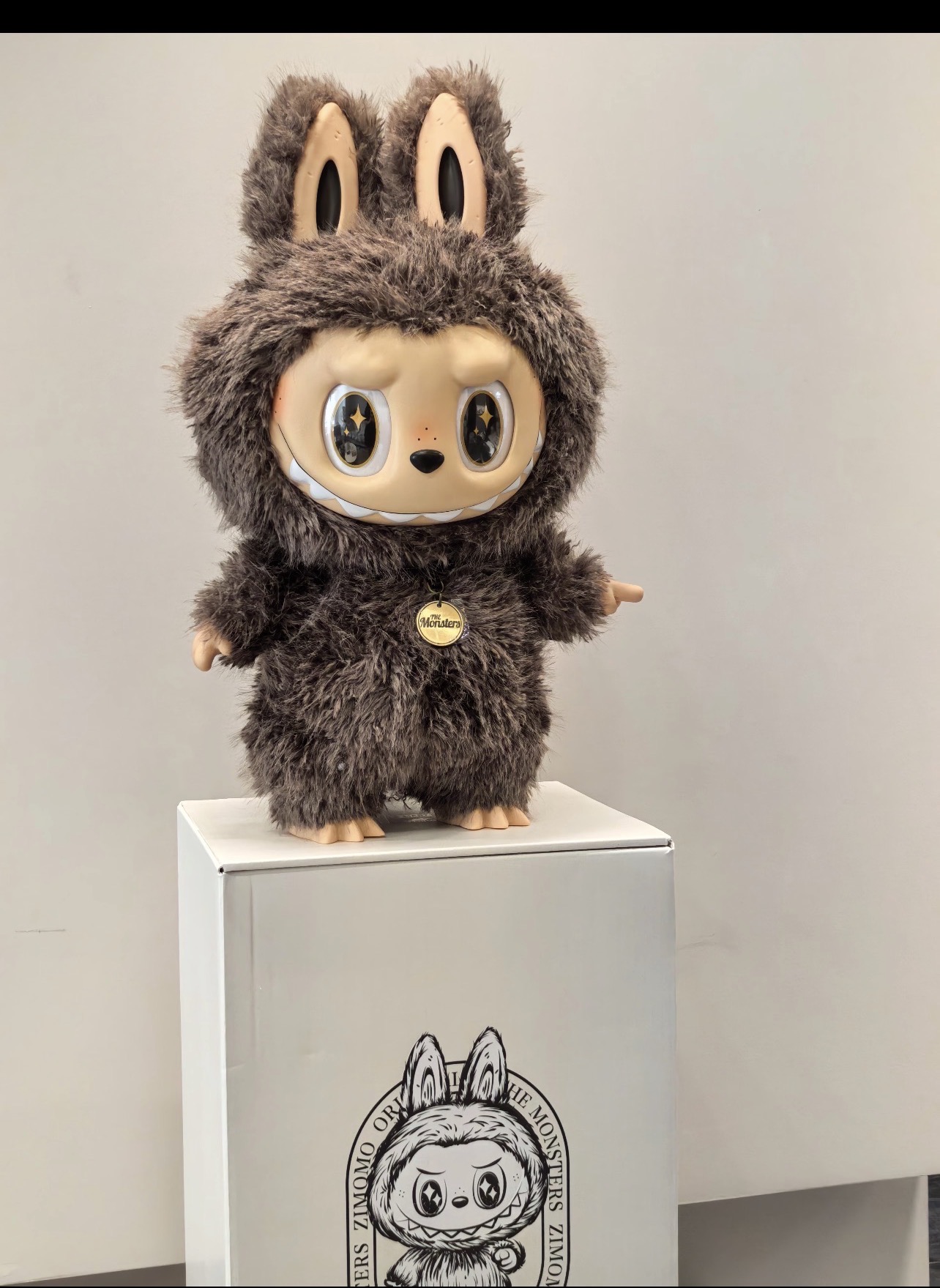
A talented artist on Xiaohongshu (the Chinese app that is a massive trendsetter) or X (formerly Twitter) will post a stunning piece of labubu fanart featuring one of the less popular figures. Maybe they draw the "Snooze" Labubu, not just as a sleepy figure, but as a perpetually exhausted office worker who just wants a nap, making him relatable. The art goes viral. Suddenly, my DMs are full of people sending me that exact picture, asking, "Do you have THIS one?"
The demand for Snooze, which was previously just sitting in our inventory, skyrockets. The price on secondary market platforms, which might have been just a few dollars over retail, starts to climb. A figure that was a "dud" is now a sought-after piece, all because one artist gave it a compelling story.
I saw this happen with the Matcha Macaron Labubu. It was a cute but not particularly standout figure from the Macarons series, trading for maybe $25. After a wave of fanart depicted it as this gentle, cottage-core character who loves baking and gardening, the price shot up to $40-$50 within a month. The art didn't just make it a labubu picture cute; it made it a character with a defined aesthetic that people wanted to own.
The Rise of the "Character Collector"
This phenomenon has fundamentally changed how people collect. A few years ago, the goal for most serious collectors was to complete a full set, including the secret. Now, I see more and more people who are "character collecting."
What does that mean? It means they aren't bound by series. They'll buy the Satyr Rory from the "Pin for Love" series, the Zimomo from the "A Little Hurt" series, and the Labubu from the "Let's Christmas" series, and display them together. Why? Because a fan artist drew them as a chaotic little friend group, and now the collector wants to build that group on their shelf.
This is a collecting style driven entirely by fan-created narratives. It's a more personal, story-driven approach. People are curating their shelves like they're casting a play. It's a nightmare for completionists, but it's a testament to the power of these fan-created worlds. It shows that the emotional connection, fostered by art, trumps the manufacturer's intended "set."
This is also where we see a ton of interest in older, sometimes forgotten figures. An artist might get nostalgic for the very first Labubu series and create a beautiful homage. The next day, I'm getting inquiries about figures we haven't had in stock for years. The art is a time machine, capable of resurrecting demand out of thin air.
Real Talk: The Line Between Fanart and Fakes
Now, we have to talk about the complicated side of this. Where does passionate labubu fanart end and unauthorized merchandise begin? It's a blurry, contentious line.
Walk through any online marketplace like Etsy or Redbubble, and you'll be flooded with "Labubu art." You'll find stickers, prints, keychains, t-shirts, and mugs. Some of it is genuinely transformative and brilliant, original works by artists who are putting their own unique spin on Kasing Lung's creation. I have no problem with this and, frankly, I own a few such prints myself. Supporting independent artists who are part of the community is a good thing.
You also find a lot of low-effort cash grabs. People who have simply taken official Pop Mart promotional images, or even traced another fan artist's work, and slapped it on a product. This is not okay. It disrespects the original creator, Kasing Lung, and the artists who put in the work.
Ask yourself: Is this an original interpretation, or is it just a copy of existing art? Does the artist have a distinct style, or are they just mimicking the official look? A good fan artist adds to the world; a bad one just pirates it. This is similar to the problem of spotting fake figures, like the rampant fakes of The Loyalty Labubu, where understanding the creator's original intent is key.
The creativity can even extend to things that blur the lines between toy and art, like the unique world of Labubu cards, where official and fan-inspired designs can sometimes get confusing for new collectors.
Our Take
Look, here's the honest truth. Pop Mart is a business, and their goal is to produce and sell as many units as possible. They do a great job of it. But the magic, the thing that turns a piece of vinyl into a beloved companion, isn't happening in their boardrooms. It's happening on iPads and graphics tablets in bedrooms and studios around the world.
It's the fan artists who are doing the heavy lifting of world-building. They create the stories that make us care. They find the hidden potential in a "common" figure and turn it into a star. They keep the community engaged and excited between official drops. It's the most effective, passionate, and, for Pop Mart, completely free marketing army in the world.
Without the constant churn of new stories and adorable visuals from the fan community, would Labubu be the phenomenon it is today? I honestly don't think so. The figures are the canvas, but the fanart is the masterpiece that makes us all want to own a piece of it. It transforms a simple desire to "collect them all" into a much deeper need to "protect this little creature."
So, if you're new to collecting, don't just look at the official Pop Mart catalog. Dive into the fanart. Search the hashtags on Instagram, browse Pixiv, see what people are creating on X. Find the art that speaks to you. You might discover that your "grail" isn't the rarest secret figure, but the common one that an artist managed to give a soul. That's where the real magic of collecting is.
Com/collections/labubu). We might just have the little monster you're looking for, ready to start their story with you.
--- Disclosure: PopNya may earn a commission if you purchase through links on this page.


