

I opened my email yesterday to three separate messages asking the exact same thing: "Is the Labubu doll evil?" One customer even asked if they needed to throw away their daughter's blind box because they saw a TikTok claiming it was a vessel for a demon named Pazuzu.
Look, I get it. I’ve been selling designer toys for years, and Labubu has always had that mischievous, slightly jagged look. But the rumors flying around right now are getting out of hand. If you are worried about the labubu meaning or wondering where did labubu come from, you are getting fed a lot of misinformation by algorithms that thrive on scare tactics.
I’m going to break down the actual history, the artist's intent, and why this "demonic" theory is total nonsense.
The "Pazuzu" ConspiracyLet's address the elephant in the room first. If you search labubu demon name, you’ll see people screaming "Pazuzu!"
Here is the reality: Pazuzu is an ancient Mesopotamian demon (mostly famous from The Exorcist movies). Labubu is a vinyl toy created by a Hong Kong-born artist named Kasing Lung who grew up in Europe.
There is zero connection. None.
The conspiracy theory started because they both have sharp teeth and a grin. That’s it. It’s like saying a cat is a demon because it has pointy ears. The internet loves a good scary story, and labubu and pazuzu became a trending search term simply because one person made a comparison video that went viral. As a seller, I can tell you that Kasing Lung’s art books and interviews have never, not once, mentioned Mesopotamian mythology.
So, What Is Labubu Based On?If it’s not a demon, what does labubu mean?
Kasing Lung spent his childhood in the Netherlands, and that European influence is massive in his work. Labubu inspiration comes directly from Nordic folklore and the concept of elves and sprites.
In Kasing's story world, "The Monsters," Labubu is a forest elf. But unlike the pretty, Legolas-style elves you see in movies, Nordic and Germanic folklore often depicts nature spirits as tricky, weird-looking, and sometimes a bit scary.
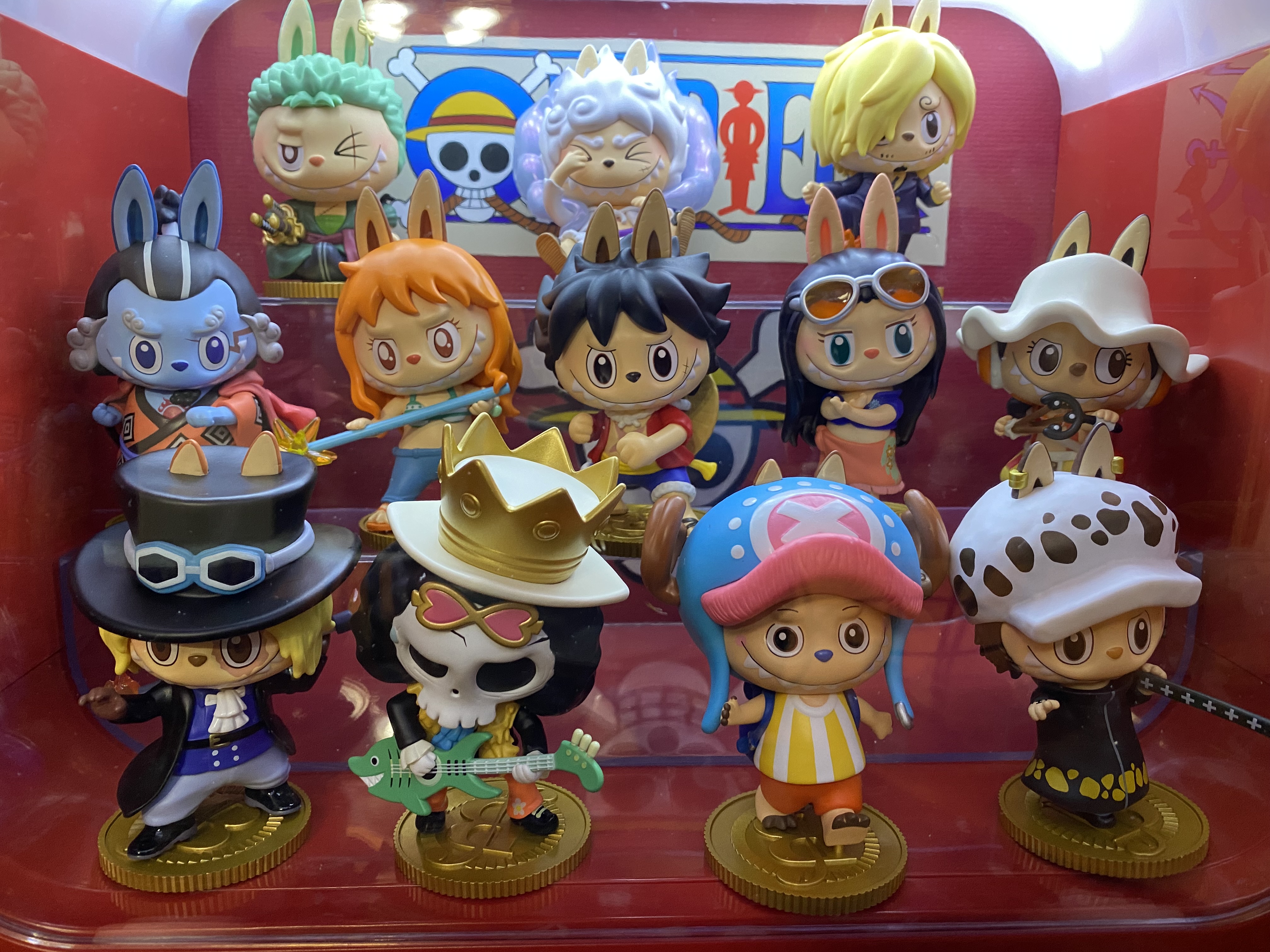
Labubu is a girl (yes, Labubu is female in the lore) who lives in a forest with other characters like Tyamat and Zimomo. Her personality isn't "evil"—it's mischievous. She’s the kid who draws on the walls or steals a cookie. She wants to help, but she usually messes things up.
If you look at the early art, you can see the nordic folklore labubu roots. The lines are scratchy, the colors are earthy, and the vibe is very "Grimm's Fairy Tales" rather than "Disney Princess."
Why Does It Look Like That?People ask, are labubus demons because of the serrated teeth and the high-set eyes.
Kasing Lung’s art style is raw. He uses markers and pens to create rough textures. When that translates to a 3D vinyl figure, you get those signature jagged teeth.
Here is something interesting I’ve noticed as a collector that most articles miss: The design is actually getting softer.
If you look at the first-generation Labubu vinyls from years ago, the faces were sharper, the eyes were narrower, and they genuinely looked a bit menacing. Compare that to the recent "Macaron" or "Have a Seat" series. The current versions have chubby cheeks, rounder eyes, and softer flocking (fur). Pop Mart and Kasing have clearly evolved the design to be cuter and more mass-market friendly.
If you want to see this evolution for yourself, take a look at our LABUBU collection. You can literally see the character go from "forest goblin" to "fluffy friend" over the last few years.
Real Talk: Is Labubu Evil? Are labubu evil? No. They are plastic.But I will say this: Art is subjective. If a toy with sharp teeth makes you uncomfortable, don't collect it. That’s the beauty of this hobby—there are thousands of characters.
However, calling labubu satanic is a massive stretch. The "999" symbol often associated with The Monsters isn't an inverted "666"—in many Asian cultures, 9 is a lucky number associated with longevity and eternity. Plus, in the lore, the characters are just trying to survive in the wild. They aren't summoning spirits; they are usually just camping or riding bicycles.
The Market Doesn't Care About The RumorsYou might think these labubu doll evil rumors would tank the value. The opposite happened.
When the rumors peaked, I actually saw demand spike. Why? Because it made the toy feel "edgy" to teenagers. But the real price driver wasn't the demon rumors—it was Lisa from Blackpink posting them.
I watched the price of the Macaron set go from a retail of roughly $17 per box to over $150 for a set on the secondary market in about three weeks. The "evil" rumors were circulating at the exact same time prices were hitting all-time highs. Serious collectors know the labubu meaning is rooted in art, not the occult, so the rumors didn't scare off the people actually spending money.
A Warning for New CollectorsWhile we are debunking things, there is one actual "evil" thing about Labubu you should worry about: Fakes.
Because of the hype (and the rumors), the market is flooded with counterfeits. I’ve seen fake boxes that look 95% identical to the real ones. If you are buying one, don't worry about demons—worry about getting scammed with low-quality plastic. I wrote a detailed breakdown on this recently: Fake Labubu Guide: How to Tell if Your Monster is Real (From a Seller’s Perspective). Check that out before you buy from random TikTok shops.
My VerdictLabubu is a representation of that little mischievous voice we all have. The part of us that wants to break the rules a little bit. That’s why people connect with it. It’s not a polished, perfect hero. It’s a gritty, funny, weird little elf.
If you are digging into where does labubu come from because you want to know if it's safe to bring into your home, the answer is yes. It’s just a vinyl toy inspired by European fairy tales, made by a guy who loves drawing monsters.
Disclosure: PopNya may earn a commission if you purchase through links on this page.


