

I still remember the feeling. The heart-pounding, wallet-sweating moment I paid way too much for my first "limited" Labubu. It was a regional exclusive, only available at a store opening in another country. On the secondary market, the price was insane. I told myself it was an investment, a grail.
And it was cool, for a while. But a few months later, a "V2" of the same design with a slightly different color palette got a much wider release. My "ultra-rare" piece suddenly felt a little less special.
That's the lesson that the world of labubu ltd teaches you fast: the word "limited" is probably the most overused and misunderstood term in the entire designer toy hobby.
As someone who runs a store and talks to collectors every single day, I see the confusion constantly. People see a crazy price on eBay for a labubu doll limited edition and assume all special releases are created equal. They are not. Not even close. So, if you're thinking about dropping serious cash on a rare Labubu, you need a playbook. This is it.
The "Limited" Spectrum: Not All Scarcity is Real
First things first, you have to understand that "limited" exists on a spectrum. On one end, you have true, art-gallery-level scarcity. On the other, you have what is basically a marketing tactic. When you see a limited labubu, you need to ask: what kind of limited is it?
1. The True Grails: Numbered & Artist Editions This is the top of the pyramid. We're talking about figures with a specific production number, like "1 of 100" printed right on the box or on a certificate of authenticity. These are often released through art galleries, special Kasing Lung events, or high-end designer toy shows.
* How to spot them: They almost always come with a COA (Certificate of Authenticity) or a numbered card. The box itself might be hand-signed or have a special holographic sticker. * The Reality: These are the real investments. Their value is tied to genuine, verifiable scarcity. A piece like the Mega 1000% Space Molly "To The Moon" that was a numbered edition is a good parallel. For Labubu, think of very early Zimomo resin figures or special editions sold at galleries like How2work. The price is high from day one and usually only goes up. You won't find these in a blind box.
2. The Convention/Event Exclusive This is the next tier down and where most collectors experience their first taste of FOMO. These are figures released exclusively at a specific event, like Shanghai Toy Show (STS), Beijing Toy Show (BTS), ComplexCon, or DesignerCon.
* How to spot them: The box will often have a sticker for the specific event. The design itself might be a wild colorway of a popular mold that you won't see anywhere else.
The Reality: These are genuinely hard to get. You either have to be at the event (and wait in a crazy line) or pay a "mule" to get one for you. The aftermarket price explodes immediately. I've seen figures double in price from the time they're bought at the booth to the time they're listed on eBay an hour later. The scarcity is real, but it's event-based. Sometimes, Pop Mart will release a similar* but not identical version later on, which can frustrate early buyers.3. The Big-Brand Collaboration This is where things get murky. Think of the Labubu x One Piece, SpongeBob, or other massive IP crossovers. They are marketed as special, limited-time releases. And technically, they are.
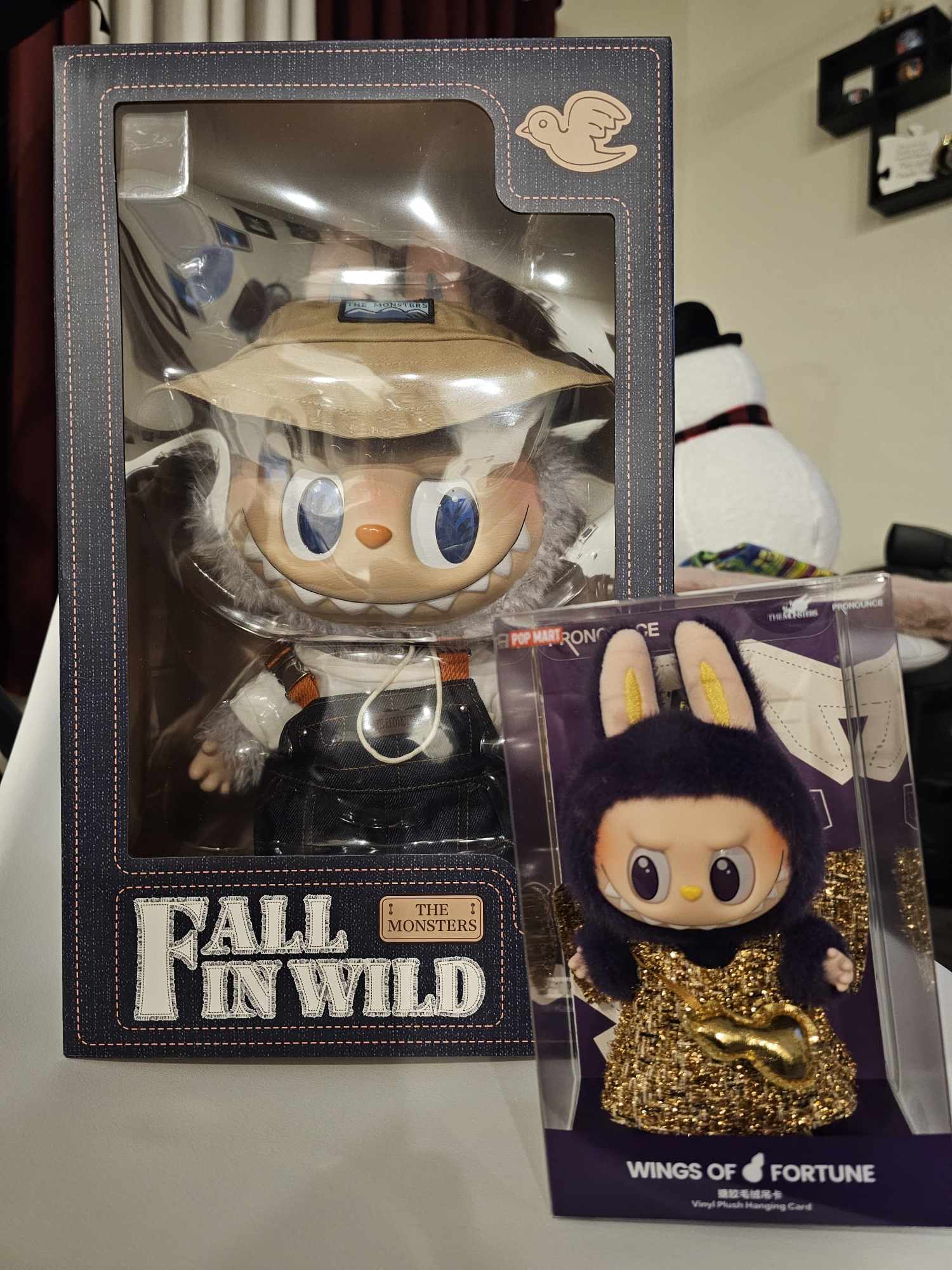
* How to spot them: Obvious branding crossover. The box art is a dead giveaway.
The Reality: These are "limited" by the licensing agreement, not necessarily by production numbers. Pop Mart knows these will be insanely popular, so they make a ton* of them. The scarcity is often artificial, driven by a massive marketing blitz and a specific release window. The Monsters x One Piece Labubu drop was a perfect example. It sold out instantly, but the sheer volume produced meant the aftermarket price, while high, didn't reach the insane levels of a true numbered edition. They're more "timed" than "limited."4. The Regional Exclusive This is the type that got me. A Labubu that only drops at the grand opening of Pop Mart Singapore, or a colorway exclusive to the Hong Kong market.
* How to spot them: Usually requires being in a local collector group to even know they exist. They might have a store-specific sticker or packaging element. * The Reality: The scarcity is based on geography. For someone in the US or Europe, it feels incredibly rare. But in its home city, it might have been relatively easy to get on launch day. The global aftermarket price is purely a function of shipping costs and the hassle of importing it. Be wary of these, their value can be volatile.
5. The "Secret" or "Chase" Figure This is the most common type of "limited" figure, and the one that gets people hooked on blind boxes. Every standard Labubu series has one or two "secret" or "super secret" chase figures.
* How to spot them: They aren't on the main box art. Their pull ratio is listed on the side of the case (e.g., 1/144). * The Reality: This is limitation by ratio. They are not a separate labubu ltd release. You can't just go out and buy the secret; you have to get lucky pulling it. The value is high because of the odds, but it's a different category of rarity. A secret from a popular series like the Exciting Macaron Labubu can easily fetch $100+, but it's not the same as a numbered edition that retailed for $500.
Real Talk: Is Chasing a Limited Labubu Worth It?
Honestly? It depends entirely on why you're collecting.
If you're a collector who loves Kasing Lung's art and a specific limited design genuinely speaks to you, then yes, it can be worth it. The thrill of the hunt and finally getting that one special piece for your shelf is a feeling that's hard to beat. It's the heart of the hobby.
But if you're looking at a labubu doll limited edition purely as a financial investment, you need to be extremely careful. The hype is a dangerous and fickle thing. I've seen "must-have" limited figures from two years ago now selling for less than their original retail price. The market gets flooded, tastes change, and the next hot thing comes along.
The figures that hold their value are almost always the true numbered editions or the most iconic event exclusives. The mass-market "limited" collabs are more like concert merch; they're fun to have and show you were part of the moment, but they aren't a retirement plan. Don't let FOMO trick you into thinking a SpongeBob Labubu is the next Bitcoin.
A Seller's Pro Tips for Hunting Limited Labubu
After years of buying, selling, and trading, I've learned a few things that aren't in any official guide.
The Sticker is Your First Clue: This is a detail many new collectors miss. Look at the sticker on the box. Is it a standard Pop Mart QR code? Is it a special silver or gold foil sticker for an event? Is there a second sticker from a specific retailer or convention? These little details tell a story about the figure's origin and authenticity. Be warned: fakes of the popular stickers are starting to appear, especially for things like the Macaron series.
I've noticed that the quality control on some of the most hyped, mass-produced "limited" collaborations can be... A bit rushed. The paint application might not be as crisp. The seam lines might be more noticeable. It feels like the factory is churning them out to meet insane demand. In contrast, the smaller, numbered artist editions are almost always flawless. The artists and galleries involved have a reputation to uphold.
Price Check Across Platforms: Don't just look at eBay's "Buy It Now" prices. That's often the most inflated. Check sold listings on eBay, look at StockX's price history, and join a few collector-run Facebook or Discord groups. You'll get a much more realistic picture of the figure's true market value. I saw a Labubu listed for $500 on eBay that was actively trading for around $250 in collector groups. Do your homework.
Understand the "Why": Before you buy, ask yourself why this specific piece is expensive. Is it because only 50 were ever made (real scarcity)? Or is it because a thousand influencers posted about it last week (hype-driven scarcity)? The answer will tell you a lot about its potential long-term value. For example, the hype around the Have a Seat Labubu V2 was huge, but it was driven by a popular design being re-released, not extreme rarity.
Ultimately, collecting Labubu should be fun. The chase for a limited piece is a huge part of that fun, but it can quickly turn into stress and financial regret if you don't know the rules of the game. Don't just buy what's hyped. Understand why it's hyped. Collect what you love, whether it's a 1-of-100 grail or a common from a standard series that just makes you smile.
And if you're just starting your journey or looking to fill some gaps in your display, you can always browse LABUBU figures in our shop. We focus on curating a mix of the latest series and beloved classics, so you can always find a monster that's perfect for you.
*Disclosure: PopNya may earn a commission if you purchase through links on this page.


