

I remember the exact moment I knew the Labubu Sea Salt Coconut was going to be a problem. Not a bad problem, like a quality control issue, but a problem for anyone who wanted one without selling a kidney. We got our first shipment of The Monsters Exciting Macaron series at PopNya, and before I could even finish unboxing, the DMs started. "Do you have Sea Salt Coconut?" "Can I reserve the coconut labubu?" "How much for just the blue one?"
It was immediate. It was intense. And it hasn't stopped since.
This little mint-blue monster in its fluffy macaron shell has become the undisputed chase of the series, and maybe one of the most sought-after Labubu figures of the last year. It's the one everyone wants, from hardcore collectors to people who saw it on TikTok once and decided they needed it. But the hype has created a minefield of insane prices, convincing fakes, and general confusion.
So, as someone who buys, sells, and collects these things for a living, let's actually talk about it. No fluff. Just the real-world info you need before you go hunting for your own seasalt coconut labubu.
What Makes This One So Special? The Anatomy of a Hype Figure
If you're new to the scene, you might be looking at the full set of labubu macaron names, Soymilk, Lychee Berry, Toasted Tea, Sesame Bean, Grape, and wondering, why this one? Why the Sea Salt Coconut?
It's not just one thing. It's a perfect storm.
First, the color. That specific shade of pastel blue-green is basically catnip for collectors right now. It's not quite Tiffany Blue, not quite mint. It just hits the eye perfectly. In a lineup of mostly pinks, purples, and browns, it stands out immediately. It's the hero colorway of the set, no question.
Second, the design itself. The labubu macaron plush concept was brilliant. Pop Mart took the beloved vinyl Labubu face and encased it in a soft, zip-up macaron shell. It's a keychain, it's a plush, it's a figure. This multi-functionality made it a smash hit. The Labubu Exciting Macaron Sea Salt Coconut just happens to be the most aesthetically pleasing version of that brilliant idea. The contrast between the soft white plush and the vibrant blue vinyl face is just chef's kiss.
And finally, the celebrity effect. When Lisa from Blackpink was spotted with one, it was game over. The demand, which was already sky-high, went stratospheric. Suddenly, it wasn't just a designer toy; it was a fashion accessory, a status symbol. That's when the market truly lost its mind. If you're just starting your hunt, understanding this context is key. You're not just buying a toy; you're buying a cultural moment, and you're paying a premium for it. If you want to understand the broader context of Labubu's popularity, The Ultimate Guide to LABUBU Dolls: Prices, Authenticity,and Why Everyone Wants One is a good place to start.
The Brutal Reality of the Sea Salt Coconut Labubu Price
Okay, let's talk numbers. This is where most people get a shock. A single blind box from the Exciting Macaron series retails for about $15-$17, depending on the store. A full case of six boxes is around $102.
The sea salt coconut labubu price on the secondary market? It's a completely different universe.
As of writing this, I'm seeing confirmed sales on platforms like StockX and eBay ranging from $120 to over $180. Yes, for a single keychain that retailed for less than twenty bucks. I've personally sold a few through our shop (when we're lucky enough to get them) in the $100-$130 range, and they sell in minutes.
Why the insane markup? 1. Scarcity. This is the big one. The labubu macaron sea salt is not a secret/chase figure in the traditional sense (like the all-white Lychee King), but its pull rate feels significantly lower than the other regular designs. In a case of 6, you are NOT guaranteed to get one. I've opened cases for the shop that had zero. I've seen customers open two full cases (12 boxes) and not pull a single seasalt labubu. 2. Demand. As mentioned, the demand is global and fueled by social media. Everyone wants the same figure. It's simple economics. 3. Case Flippers. Many resellers buy cases, pull the Sea Salt Coconut to sell individually for a huge profit, and then sell the remaining five figures at a slight discount. This practice concentrates the most desirable figure in the hands of resellers, who can then dictate the market price.
So when you see that $150 price tag, you're not just paying for the item. You're paying for the reseller's initial investment, the gamble they took on the cases, platform fees, and a hefty slice of pure profit because they know someone out there is willing to pay it.
Real Talk: Is It Actually Worth It?
Honestly? No.
Look, I love this figure. It's beautifully designed, and the joy of finally getting one is real. But is it worth 10 times its retail price? From a purely objective standpoint, absolutely not. It's a mass-produced pop mart labubu sea salt coconut. The materials are good, but they aren't "$150 good."
What you're paying for is the hype. You're paying to have the Labubu of the moment.
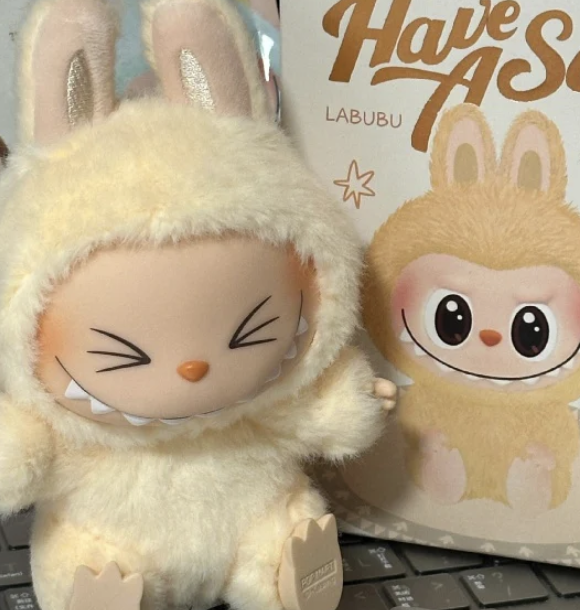
My advice? If you're not desperate, wait. Hype cycles burn out. Pop Mart is known for re-releasing popular colorways in new series. We might see a Sea Salt Coconut Zimomo or a Tycoco in the future. The price will eventually stabilize, though it will likely always remain the most expensive of its series. If you have the money to burn and it will bring you immense joy, go for it. But don't feel pressured by the FOMO. There will always be another cool Labubu around the corner. The recent Have a Seat Labubu V2 series had its own chase figures, and the cycle continues.
Buyer's Playbook: How to Get One Without Getting Scammed
If you've weighed the pros and cons and decided you're still all-in, you need a game plan. Here's my playbook for hunting the sea salt coconut macaron labubu.
Option 1: The Official Drop (Playing on Hard Mode)
Your cheapest option is always to buy directly from Pop Mart or an official retailer like us at PopNya. The problem? It's nearly impossible. They sell out in seconds. Bots eat up most of the stock. But if you want to try:
- Follow Pop Mart's social media and sign up for their newsletter.
- Know the exact date and time of the drop. Be on the site 5 minutes early, logged in, with your payment info saved.
- Use Apple Pay or Shop Pay for the fastest checkout. Every second counts.
- Be prepared for disappointment. It's a lottery.
Option 2: Navigating the Resale Market (The Realistic Path)
This is where most people will end up. It's risky, but manageable if you're careful.
How to Spot a Fake Sea Salt Coconut Labubu, The Seller's Guide
The fakes are getting scarily good. I've seen some that could fool a casual buyer easily. But after handling dozens of real and fake ones, here are the dead giveaways I look for. This is the kind of detail you won't find on a product page, and it's crucial. For a deeper dive into spotting fakes across the whole series, check out our Honest Labubu Macaron Buyer's Guide.
1. The Zipper and Tag: This is the #1 tell. The authentic zipper pull is a clean, matte metal. Many fakes use a slightly shinier, cheaper-looking metal. More importantly, look at the paper tag attached. The real one has a specific, slightly textured cardstock. The fake is often on smooth, flimsy paper. The font on the fake tag is also often slightly thinner or bolder than the authentic one. It's a subtle difference, but it's there.
2. The Plush Texture: The authentic seasalt macaron labubu plush is incredibly soft with a dense, short pile. It feels velvety. Most fakes use a cheaper material that feels a bit rougher or has a longer, stringier pile. If you have another authentic Macaron to compare it to, the difference in feel is obvious.
3. The Vinyl Face Color: This is tough to judge from photos, but the authentic Sea Salt Coconut has a very specific pastel saturation. Fakes often get the color slightly wrong, either too bright, too pale, or leaning more green than blue. Ask for photos in natural light.
4. The Box and Foil: The box printing on fakes can be blurry or have off-colors. The biggest giveaway is the inner foil bag. The authentic bag has clean, crisp crimping at the edges. Fakes often have messy, uneven seals. If you're buying a "confirmed" open-box figure, ask to see the original box and foil. If the seller "threw it away," that's a red flag.
5. The Weight Myth: Let's put this to bed. You cannot weigh the blind boxes to find the Sea Salt Coconut. The weight differences are minuscule and fall within the normal manufacturing variance. Pop Mart has been dealing with this for years; they've made sure it doesn't work. Don't trust any seller claiming they have a "weighed" box. They either opened it to confirm or they're guessing.
When buying from a reseller, always use a platform with buyer protection like PayPal Goods & Services, eBay, or StockX. Ask for "tagged photos", pictures of the item with a piece of paper showing their username and the current date. This proves they have it in hand. Scrutinize their seller feedback. Are they a dedicated toy seller with lots of positive reviews, or a brand new account with zero history? Trust your gut.
The hunt for a Labubu Sea Salt Coconut is a perfect example of the wild world of designer toys. It's exciting, frustrating, and sometimes ridiculously expensive. It's a beautiful piece, and I totally understand the obsession. Just be a smart collector. Know what you're buying, who you're buying from, and what a fair (even if inflated) price looks like.
The thrill of the chase is part of the hobby, but so is building a collection you love without feeling ripped off.We're collectors too, and we're always here to help you navigate the hype.
Disclosure: PopNya may earn a commission if you purchase through links on this page.


