

*
Okay, let's talk about the elephant in the room. Or, in this case, the little monster with the big ears. The news about Pop Mart opening a factory for Labubu in Mexico** has been lighting up every collector forum and social media feed. My DMs have been a mix of excitement, confusion, and low-key panic.
"Will the quality be the same?" "Should I sell my Chinese-made Labubus?" "Does this mean they'll finally be in stock at my local store?"
As someone who runs PopNya and has boxes of these guys coming in and out of my life daily, I get it. This is a big deal. But most of the articles you'll read are from a business perspective, they're about "nearshoring" and "supply chain logistics." They don't tell you what this means for us. The people who actually spend hours hunting for a specific Macaron, who know the exact shade of a pink Labubu, who feel that jolt of joy when you pull a secret.
So, let's have a real conversation about it. From one collector to another.
First, Let's Clear Up the Basics
For years, the answer to "Labubu is made in what country?" has been simple: China. Kasing Lung, the artist, is from Hong Kong. Pop Mart, the company that blew them up into a global phenomenon, is based in mainland China. The design, branding, and manufacturing have all been centered there.
This new factory in Mexico changes the last part of that equation. It's Pop Mart's first factory outside of Asia, and it's a massive strategic move. Why? A few reasons.
It's about getting toys to the North and South American markets faster and more reliably. I can personally attest to the nightmare that international shipping has been post-pandemic. I've had shipments of highly anticipated series, like the Exciting Macaron Labubu, get stuck in customs for weeks, leading to angry emails and disappointed customers. A factory in Mexico theoretically cuts that shipping time from weeks to days. It also helps Pop Mart avoid some of the gnarly tariffs and trade issues between the US and China.
From a business standpoint, it's a no-brainer. But we're not just business people. We're collectors. And our biggest question is: will they be the same?
The Collector's Fear: Will Quality Change?
This is the number one question I see in every Labubu group on Facebook. It's a valid fear. We've all seen brands shift manufacturing and the quality takes a nosedive. The paint gets sloppy, the plastic feels cheaper, the magic is just… gone.
I'm going to say something that might be a bit of a hot take: I'm not worried. At least, not yet.
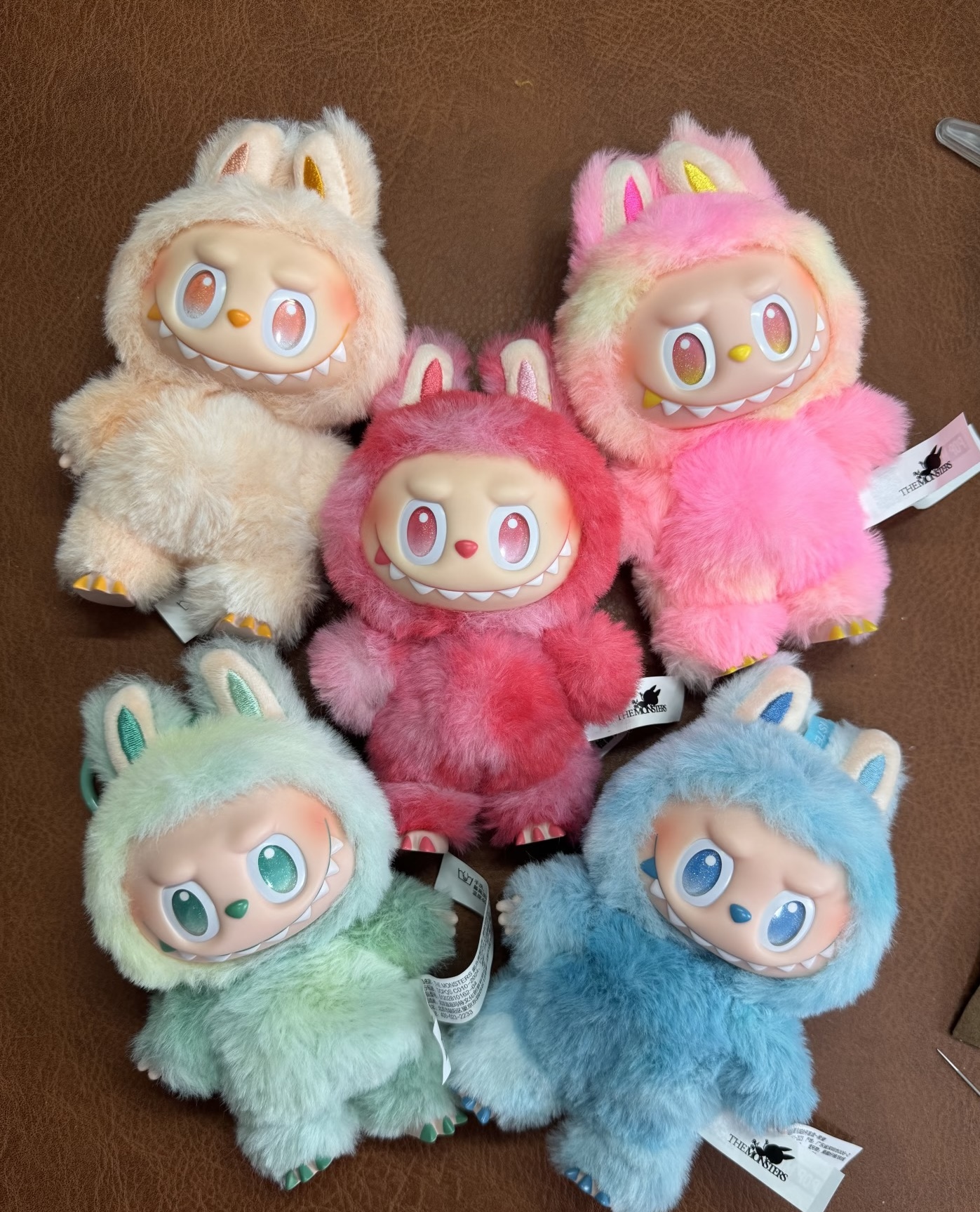
Pop Mart is not a small, scrappy startup. They are a publicly traded behemoth that has built its entire empire on consistency and quality control. The whole point of a blind box is that you know you're getting a certain level of quality, even if you don't know which character you're getting. For them to allow a significant quality dip between their Chinese and Mexican factories would be brand suicide. The backlash from the global collector community would be instantaneous and brutal. They know this.
However, will they be identical? Probably not. And that's where things get interesting for hardcore collectors.
Think about other collectibles. A first-edition book is more valuable than the tenth printing, even if the story is the same. With sneakers, tiny differences in stitching or material between factories in Vietnam and Indonesia can become points of obsession for collectors.
I predict we'll see something similar. There might be microscopic differences. Maybe the vinyl from the Mexico factory has a slightly different finish. Maybe the paint colors are mixed to a 99.9% match instead of 100%. Maybe the stamp on the bottom of the foot will say "Made in Mexico."
These won't be "defects." They will be variations. And for a certain type of collector, these variations will become a new thing to hunt. It won't be about "good" vs. "bad," but "Chinese batch" vs. "Mexican batch."
My real collecting tip: When the first Mexico-made boxes hit the shelves, don't just look at the figure. Look at everything else. Is the box cardstock different? Is the foil bag easier or harder to tear? Is the collector card glossier? These are the tiny details that separate the casual fans from the true obsessives. And you can bet we'll be scrutinizing every single one here at PopNya.
*Real Talk: What This Move Really* Means for YouLet's put aside the speculation on quality for a second and talk about the tangible impact.
Availability is the REAL story.
This is the single biggest win for collectors in the Americas. The days of seeing a new Labubu drop on Pop Mart's social media and knowing it'll be three months (and a ton of shipping fees) before you can get it might be ending.
Imagine walking into a store and seeing a full stock of the latest series. Imagine restocks happening in a week, not a month. This factory could make Labubu as accessible as Funko Pops. For some, that might ruin the "thrill of the hunt," but for the vast majority of us, it just means more opportunities to collect. It means kids can discover Labubu. It means your mom can grab one for you at the mall. This is how a brand goes from a niche hobby to a cultural touchstone.
This move signals that Pop Mart sees the Americas not just as a secondary market, but as a primary one. They are investing millions to be closer to us. That's a good thing. It means more events, more exclusives, and more focus on what we want.
What about prices and market value?
Here's where I think a lot of people are getting it wrong. I've seen the panic in the Labubu group chats: "My 'Made in China' collection is going to be worthless!" or "The 'Made in China' ones are going to skyrocket!"
I think the answer is much more boring: for 95% of the figures, it won't make a difference.
The value of a Labubu isn't in the manufacturing location. The value is in Kasing Lung's art, the character's personality, the series design, and the chase/secret ratios. Nobody is paying $150 for a secret Have a Seat Labubu V2** because of the factory it was made in. They're paying for the scarcity and the design.
Will a "First Edition, Made in China" Tycoco be worth a few bucks more to a hyper-specific collector than a "First US Run, Made in Mexico" Tycoco five years from now? Maybe. But it's not going to create the kind of market split people are dreading. The core value remains in the character. If you're collecting Labubu as a long-term investment (which is a whole other topic), you should be more concerned with the popularity of the character itself, not the factory address on the box.
The real price impact will hopefully be positive for buyers. Better logistics and no tariffs should mean more stable retail prices and less reliance on the secondary market with its inflated costs. As a seller, if my costs to acquire inventory go down, I can pass those savings on.
Our Take: The PopNya Verdict
Look, here's the bottom line from where I'm standing, surrounded by boxes of these little guys.
The Labubu Mexico factory is a massive vote of confidence in the longevity of this hobby and this brand. It's Pop Mart planting a flag and saying, "We're here to stay."
Don't panic about your collection's value. Don't fall for fear-mongering about a drop in quality before we've even seen a single figure. The company has every reason to get this right. The real story isn't a potential dip in quality; it's a massive increase in accessibility. This move is designed to make it easier, faster, and cheaper for you to get your hands on the toys you love.
This is a step towards Labubu becoming a true global icon, right up there with the big names in toys. It's a transition from a niche import to a household name. And as collectors who were here "before it was cool," that's something we can be proud of.
Our job now is to be vigilant. We'll be the first line of defense, inspecting the first batches with a critical eye. We'll compare the paint, the weight, the feel. We'll report back on any differences, good or bad. For now, be excited. The Labubu universe is getting bigger, and we all have a front-row seat. The best way to prepare is to just keep enjoying the hobby and keep an eye on the awesome stuff that's already out there in the LABUBU collection.
---
Disclosure: PopNya may earn a commission if you purchase through links on this page.


