

I see you. I've been you. Typing "show me a picture of a labubu" or "labubu images" into the search bar at 2 AM, falling down a rabbit hole of pure, toothy, big-eared joy. The internet is flooded with labubu pictures, an endless stream of them on Instagram, TikTok, and Pinterest. But after running PopNya and personally packing and shipping hundreds of these little monsters, I've started to see these images differently.
A picture isn't just a picture. It's a story. It's a flex. Sometimes, it's a warning.
For me, it all started with a single photo. It was a Labubu from The Monsters Camping series, the one named "Soy," perched on a mossy log. The lighting was perfect, hitting the little lantern in its hand. It wasn't just a toy sitting there; it looked like it was having a genuine woodland adventure. I didn't just want that figure. I needed it. That's the power of a good Labubu photo. It doesn't just show you a product; it shows you a personality.
The Anatomy of a Great Labubu Photo
So many people think getting great labubu photos is about having a fancy camera. It's not. I've seen stunning shots taken on old iPhones and boring, sterile shots taken with professional DSLR setups. The secret isn't the gear; it's understanding the character.
It's All About the Gaze: The most important part of any Labubu is its eyes. They're mischievous, a little wild, but also sweet. When you take a picture, get down on their level. Don't shoot from above like you're a giant staring down at it. Angle the camera so you're looking right into those expressive eyes. That's how you capture the soul of the monster. A lot of the `la bubu animada` or cartoonish feel comes directly from that face, and if you get the angle wrong, you lose the magic.
Lighting is Your Best Friend (and Enemy): You don't need a pro studio. Honestly, the best light is free: stand near a window. Natural, indirect sunlight is your best friend. It's soft, it's even, and it makes the colors pop without harsh reflections. If you're shooting at night, avoid the direct overhead room light, it creates ugly shadows. My secret weapon? A $20 foldable lightbox from Amazon. It has built-in LED strips and gives me perfect, diffused light every single time. It makes every figure look like it's a labubu hd promo shot.
Take Them on an Adventure: The best labubu pics put the monster in a scene. It doesn't have to be complicated. * Put a Macaron series Labubu on a plate with some real cookies. * Sit a Camping series Labubu in a potted plant. * Have a Weather series Labubu "standing" in a small puddle (or on a mirror to fake it).
This is where you can get creative and make some funny labubu pictures. I once saw a photo of the "Tycoco" Labubu (the one with the chicken hat) sitting in an egg carton. Genius. It tells a story and gives the figure a sense of scale and place. It's the difference between a catalog photo and a piece of art. The creativity of the community is also a big reason why everyone is drawing Labubu; we're all inspired to give them more life beyond the plastic.
*What You're Really* Looking For in Labubu ImagesWhen you search for a picture of a lab boo boo, what are you actually trying to find? It's usually one of three things.
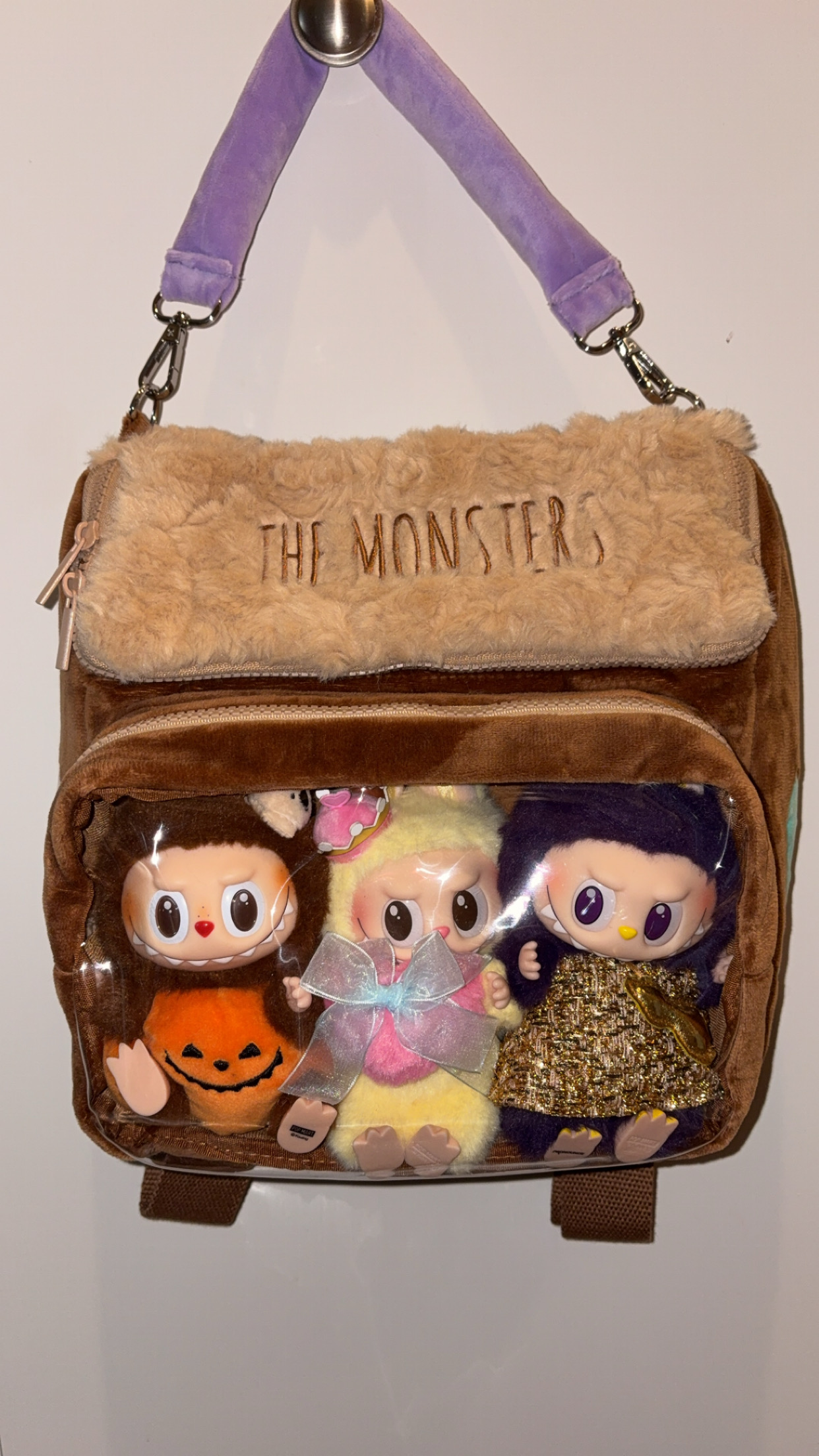
1. Identification and "Which One Is That?" You saw a cute one and need to know its name or which series it belongs to. This is where high-quality photos are key. You need to see the details on the accessory, the color pattern, the little logo on the foot. This is also where knowing the official names helps. A good photo will help you distinguish between, say, the Zimomo "Cotton Ball" and the Labubu "Cloud." If you're trying to build a set, being able to identify them from photos is a crucial skill. If you're stuck, a good guide to Labubu names can be a lifesaver.
2. Vibe Check and Shopping Inspiration** You're thinking of buying a new series, but the official promo shots look a little too perfect. You want to see real pics of labubus from actual collectors. How does it look on a shelf? Does the color look different in normal lighting? This is smart shopping. I do this all the time. I'll search hashtags on Instagram to see a figure in a dozen different real-world settings before I decide to stock it for PopNya or add it to my personal collection. It helps you see if you'll truly love it once it's in your hands. If you're getting inspired, you can always browse our LABUBU collection to see if your new favorite is in stock.
3. Authenticity and Not Getting Scammed This is the most important one, and it's where I put on my seller hat. You found a "grail" on a second-hand market site. The price is too good to be true. You need to analyze the labubu picture original to see if it's a fake.
Here's what I look for, and what you should demand from a seller: * The Feet: Ask for a clear picture of the bottom of the feet. Real Labubus have crisp, clear copyright info (© Kasing Lung, POP MART). Fakes are often blurry, smudged, or missing it entirely. * The Paint Job: Look closely at the edges. Where the ear color meets the head, is the line sharp or does it bleed? Pop Mart's quality control is very good. Fakes often have sloppy paint. * The Seams: Check the seam lines where the plastic parts meet, especially around the head and arms. On genuine figures, these are clean and tight. Fakes can have wider gaps or rough, unfinished edges. * The Box: Don't forget the box! Ask for photos of the box. Fakes often use lower-quality printing, have spelling errors, or use incorrect fonts. The QR code sticker on the top or bottom is also a good indicator.
If a seller refuses to provide these specific la boo boo images, that's a huge red flag. Run. It's not worth the risk. I've seen too many heartbreaking posts in collector groups from people who got a fake in the mail. For a deeper look, I've written a whole guide on spotting fake Labubus from a seller's perspective.
Our Take: A Picture Can Move Markets
Here's the part that most people don't see. These labubu images have a direct, measurable impact on the market. It's wild to watch in real-time.
Real Talk: The Monsters Camping series is a perfect case study. When it was released, it was just another popular series. But then, people started taking incredible outdoor photos of the "Soy" figure, the one with the little backpack and lantern. Those photos went viral. Suddenly, "Soy" wasn't just a common figure. It was the figure to have.
I watched its price on the secondary market climb from its retail price of about $15 to over $100 in less than a month. All because of good photography. A few well-composed `foto de labubu` shots completely changed the perceived value of a mass-produced item. The same thing happened with the "A Boy" secret figure from the Let's Christmas series. The initial photos that surfaced were so charming that the hype went through the roof, and the aftermarket price is still astronomical today.
This is a double-edged sword. It's fun to see the community rally around a specific design, but it also leads to insane price gouging and makes it harder for regular fans to complete a set. It proves that what we're buying isn't just a toy; it's a character, a status symbol, and a photo prop all in one.
The Dark Side of Perfect Labubu Photos
First, there's the pressure to unbox. You pull a rare chase figure, maybe even a secret one. Your collector brain says, "Keep it sealed! It's an investment!" But your Instagram-addled brain says, "I need to take a picture of it next to a tiny cup of coffee!" My honest advice? Decide why you bought it. If you're in it for the joy and the art, free the monster. If you're purely an investor, keep it in the box and just admire other people's photos. There's no wrong answer, but be honest with yourself.
Second, photos lie. Or, at least, they don't tell the whole story. Let me tell you about the flocking nightmare. Certain series, like The Monsters Furtively, are flocked (they have a fuzzy texture). In photos, they look incredible. The texture is soft, it diffuses light beautifully, and they look so cuddly. What the photo doesn't show you is that flocking is a magnet for every single piece of dust, lint, and pet hair within a five-mile radius. You will spend more time gently cleaning it with a soft brush than you will admiring it. It's a high-maintenance relationship, and the glamour shots online don't prepare you for that reality.
And don't even get me started on the big guys. Taking good photos of a Mega Labubu is a whole different challenge. They're huge, so you can't just stick them in a lightbox. Finding a clean background is tough, and lighting them evenly without getting a glare off their big vinyl heads is a legitimate skill. They have an incredible shelf presence, but they are not the most cooperative photo subjects. If you're thinking of getting one, it's worth reading up on what to expect from the big Labubu figures.
The next time you're scrolling through an endless feed of `labubus imagenes`, look closer. Look beyond the cute pose. Think about the lighting, the story, and the person behind the camera. Appreciate the effort. And if you're taking your own, remember the most important rule: have fun with it.
The best Labubu picture isn't the one with the most likes. It's the one that makes you smile when you look at it. It's the one that captures the silly, mischievous, and lovable spirit of these little monsters.com/collections/labubu) at PopNya. You never know which one will be your next muse.
Disclosure: PopNya may earn a commission if you purchase through links on this page.


