

I was scrolling through my feed late one night, half-asleep, when I saw it. The two words that made me sit bolt upright in bed: Mattel. And LABUBU.
In the same sentence.
My first thought was a jumble of excitement and, honestly, a little bit of dread. Mattel, the toy giant behind Barbie and Hot Wheels, was partnering with Pop Mart to bring Kasing Lung's Monsters to a global, mass-market audience. On one hand, amazing! More people get to experience the joy of these little long-eared elves. On the other hand... Uh oh.
As someone who runs PopNya and spends their days surrounded by these figures, I know the magic isn't just the toy itself. It's the hunt. It's the community. It's the specific weight and feel of a Pop Mart blind box in your hand. The big question on every collector's mind is: can a mass-produced toy from a corporate giant ever capture that same lightning in a bottle?
I had to find out. I managed to get my hands on one of the new Mattel Labubu figures, and I've spent the last few days comparing it, side-by-side, with the Pop Mart originals I know and love. Here's the no-holds-barred breakdown.
The Unboxing: Ritual vs. Retail
The first difference hits you before you even see the figure. The Pop Mart experience is a ritual. You have the beautifully designed box art for the series, the satisfying tear of the foil, the little collector card, and the mystery. You might get the one you want, you might get a duplicate, or you might, just might, pull a secret. It's a gamble. It's a thrill.
The Mattel Labubu I received came in a window box.
No mystery. No thrill. Just a plastic bubble glued to a piece of cardboard, hanging on a peg in what I can only assume will be the toy aisle at Target, right next to the action figures. The romance is gone. The artwork on the card is generic, featuring a CGI-looking render of the character rather than Kasing Lung's whimsical art style.
For a new parent buying a cute toy for their kid, this is perfect. It's efficient. You see what you get. For a collector, it feels… sterile. It's like being served a gourmet meal in a fast-food container. Something important was lost in translation.
The Figure: A Tale of Two Plastics
Okay, so the packaging is a downgrade. But what about the figure itself? This is where I got out my little digital scale and my magnifying glass. This is what I do.
The first thing I did was hold the Mattel figure in one hand and a Pop Mart Labubu (from the recent Macarons series) in the other. The difference was immediate.
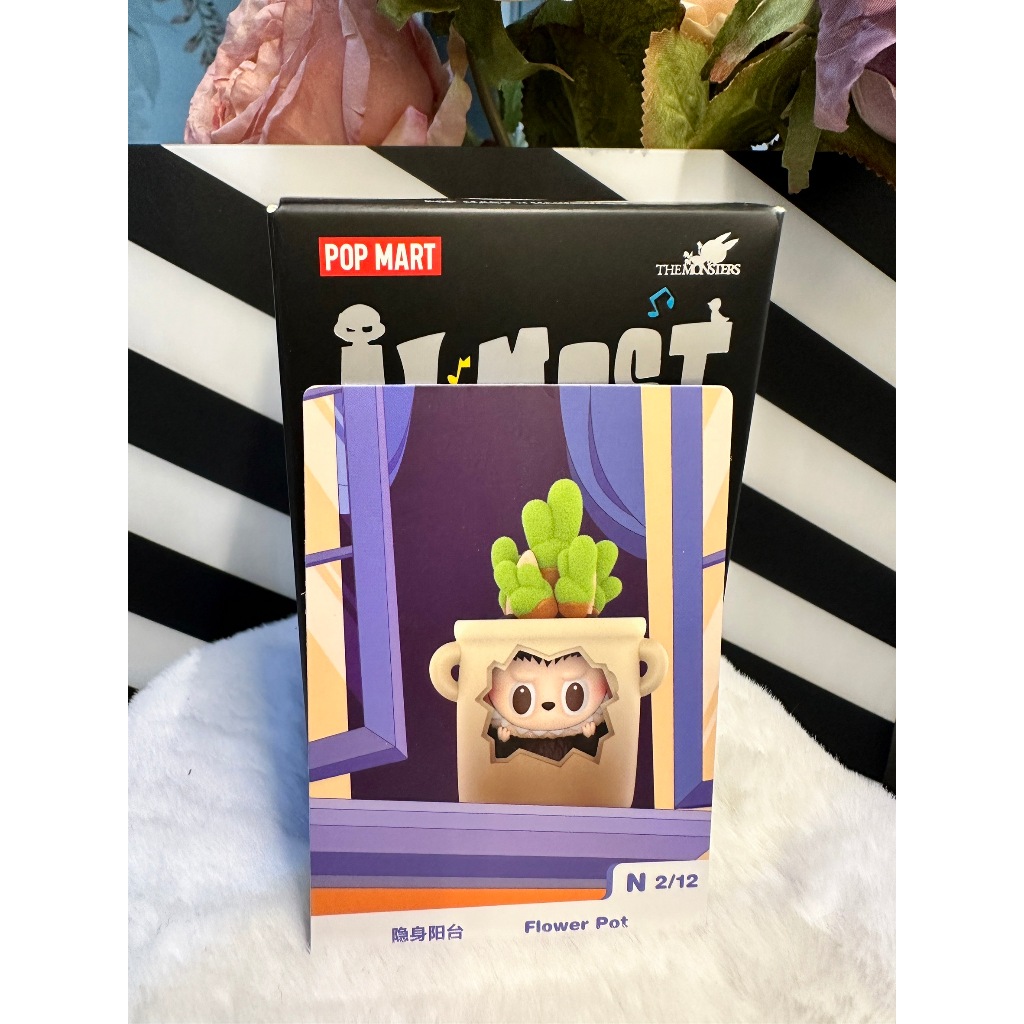
Weight & Material: The Pop Mart Labubu has a satisfying heft. It's made from a dense, high-quality PVC that feels substantial. It has a smooth, almost velvety matte finish that feels premium. The Mattel version is noticeably lighter. It feels like a different, slightly cheaper grade of plastic, more like a standard action figure. It's hollower. When you tap it, the sound is a higher-pitched, thin tink compared to the solid thud of the Pop Mart original.
This isn't just me being a snob. The weight and feel contribute to the perceived value of a collectible. It's a tactile thing that's hard to describe but impossible to ignore once you've held both.
Sculpt & Paint: At first glance, the sculpt is pretty good. The iconic long ears, the toothy grin, the little pot belly, the silhouette is unmistakably Labubu. But the devil is in the details.
I looked closely at the seam lines. On most of my Pop Mart figures, the seams where the plastic parts are joined are incredibly clean, almost invisible. On the Mattel version, the seam running over the top of the head and down the ears was much more pronounced. It's not a dealbreaker, but it's a sign of a less refined manufacturing process.
The paint is another story. Pop Mart's quality control can be hit-or-miss sometimes, we all know that. I've definitely unboxed a figure with a tiny paint smudge. But generally, the application is crisp. The colors are vibrant and opaque. The Mattel Labubu's paint job felt thinner. On the white belly patch, I could almost see the darker base plastic color through the paint. The edges of the painted sections weren't quite as sharp.
It's the difference between a hand-painted art piece and something that rolled off a high-speed, mass-production line. Because, well, that's exactly what it is.
The "Asia Exclusive" Question & The Global Market
For years, a huge part of the Labubu craze was driven by scarcity. Many of the most sought-after series were initially `labubu asia` releases. Getting your hands on an `asia exclusive labubu` in the US or Europe meant navigating proxy shippers, paying inflated reseller prices, or having a friend in Hong Kong who could line up at a store for you. This difficulty created a powerful mystique and a booming secondary market. It's a core part of `understanding the hype and prices of Labubu dolls`.
The `mattel labubu` partnership is designed to shatter that model. Mattel's goal is to put Labubu in every major retailer in North America and Europe. The era of the `asia exclusive labubu` as the only way to get certain designs is likely coming to an end.
So, what does this mean for collectors?
It's a double-edged sword. On one hand, accessibility is great! New fans won't have to pay $80 on StockX for a common figure from a series that sold out two years ago. On the other hand, it fundamentally changes the nature of collecting. Part of the fun is the hunt. When you can just walk into a Walmart and grab one, does it still feel special?
My prediction: this will create a clear divide in the market. The Pop Mart releases, especially the older Asia-only ones and the limited edition collaborations (like the incredible `Monsters x One Piece Labubu`), will become even more desirable to serious collectors. They will be seen as the "original" and "authentic" versions, the equivalent of a first-edition book. The Mattel versions will be the accessible paperbacks for the masses. They serve different purposes and different audiences.
Real Talk: My Seller & Collector Verdict
So, is the `mattel labubu` a good thing or a bad thing?
Look, I'm going to be straight with you. As a collector, I'm disappointed. It feels like a dilution of the brand. The magic of Kasing Lung's world is in its artistry, its weirdness, and the community that grew around hunting for these special little monsters. Turning it into just another mass-market toy feels like it misses the point. It's like hearing your favorite indie band on a car commercial. You're happy for their success, but a little piece of you dies inside.
As a seller, I'm not worried. In fact, I think it might even be good for business. Why? Because it clarifies the market. People who just want a cheap, cute desk toy will buy the Mattel version. The people who come to a specialty store like PopNya are looking for something more. They're looking for the thrill of the blind box, the superior quality of the Pop Mart originals, and the connection to the art toy scene. The Mattel partnership just makes the distinction clearer. It solidifies the Pop Mart figures as the premium collector's item.
The frenzy around series like the Macarons or the constant search for `why some figures like the Green Grape are so hard to find` isn't going to disappear because of a cheaper alternative. If anything, it reinforces their status.
Who is the Mattel Labubu for? * Newcomers who just discovered Labubu on social media and think it's cute. * Parents who want to buy a toy for their kids. * Super casual fans who want one for their desk and don't care about collecting as a hobby.
Who should stick with Pop Mart? * Serious collectors who value the artist's original vision and quality. * Anyone who loves the thrill of the blind box hunt. * Investors and resellers who understand the secondary market dynamics. * Fans who want to support the art toy ecosystem, not just a corporate licensing deal.
Ultimately, the `mattel labubu` isn't for me, and it won't be something I carry in my store. PopNya was founded on a passion for the unique, the hard-to-find, and the art behind the toy. It's about celebrating the original creator and the experience they intended. The Mattel version feels like a copy of a copy, losing some of its soul with each iteration.
It's a strange feeling. I want the world to love Labubu as much as I do, but I'm not sure this is the way. For now, I'll be sticking to the satisfying weight and surprise of the original foil-wrapped packages. If you're on the same page, you can always browse our LABUBU figures and find a piece of the original magic for yourself.
What do you think? Am I just being a purist gatekeeper, or do you feel the same way? The future of Labubu is here, and it's going to be interesting to watch.
Disclosure: PopNya may earn a commission if you purchase through links on this page.


