

I get emails and DMs about this all the time. "Do you have any of the old Labubu?" or "I'm looking for a vintage Labubu doll." It's one of those questions that sounds simple, but the answer is… complicated. Because when people say "old," they could be talking about two completely different universes of collecting.
And honestly, most of the time, what people think is vintage isn't really vintage at all.
As someone who's been deep in the Labubu world for years, both as a collector and running PopNya, I've handled them all. The shiny new releases, the slightly older Pop Mart series, and yes, even a few of the mythical, pre-Pop Mart artist pieces. The difference is night and day.
So let's clear the air. There isn't just one "old Labubu." There are two: The Artist Grails and The First Wave Vinyls.
The Real "Old Labubu": Kasing Lung's Artist Resins
Before Labubu was a worldwide blind box phenomenon, it was a character from Kasing Lung's storybooks, brought to life as limited-edition art pieces. We're talking pre-2018. These weren't toys you'd find in a mall. They were high-end collectibles, often produced in collaboration with studios like How2work.
These are the true old Labubu.
The Material: Forget the smooth, lightweight PVC vinyl of the blind boxes. These original figures were made from polyresin. If you've ever held one, you know. They have a satisfying heft, a cold, ceramic-like feel. They feel like small statues, not toys. The texture is often matte and has a subtle grain to it that vinyl just can't replicate.
The Design & Production: This is the biggest difference. The Labubu old design was much more organic and, frankly, a little rougher around the edges. In a good way! Kasing Lung's original 2D art has a whimsical, slightly chaotic energy, and these early resins captured that perfectly.
Because they were hand-cast and hand-painted in small batches, each one is slightly unique. You might see a tiny, imperfect brushstroke on a tooth or a subtle variation in color. The ears might be shaped a little differently, the expression a bit more idiosyncratic. This wasn't a flaw; it was part of the charm. It was proof that a human being made it. They have a soul that is incredibly difficult to scale in mass production.
I was lucky enough to see a first-edition Tycoco (one of the other characters from The Monsters family) at a collector's meet-up once. It was from 2011. The paint was applied with an artist's touch, with delicate shading that you just don't see on the factory-painted vinyls. It felt less like a collectible and more like a piece of standalone art.
The Price & Availability: This is where it gets real. These artist resins were made in runs of maybe 50, 100, or 300 pieces. Tops. They sold out instantly to a small, dedicated community of art toy collectors. Today? They are next to impossible to find. When one does surface on a secondary market like a specialized art auction or a high-end collector forum, the prices are staggering. We're talking hundreds, often well over $1,000, for a single figure.
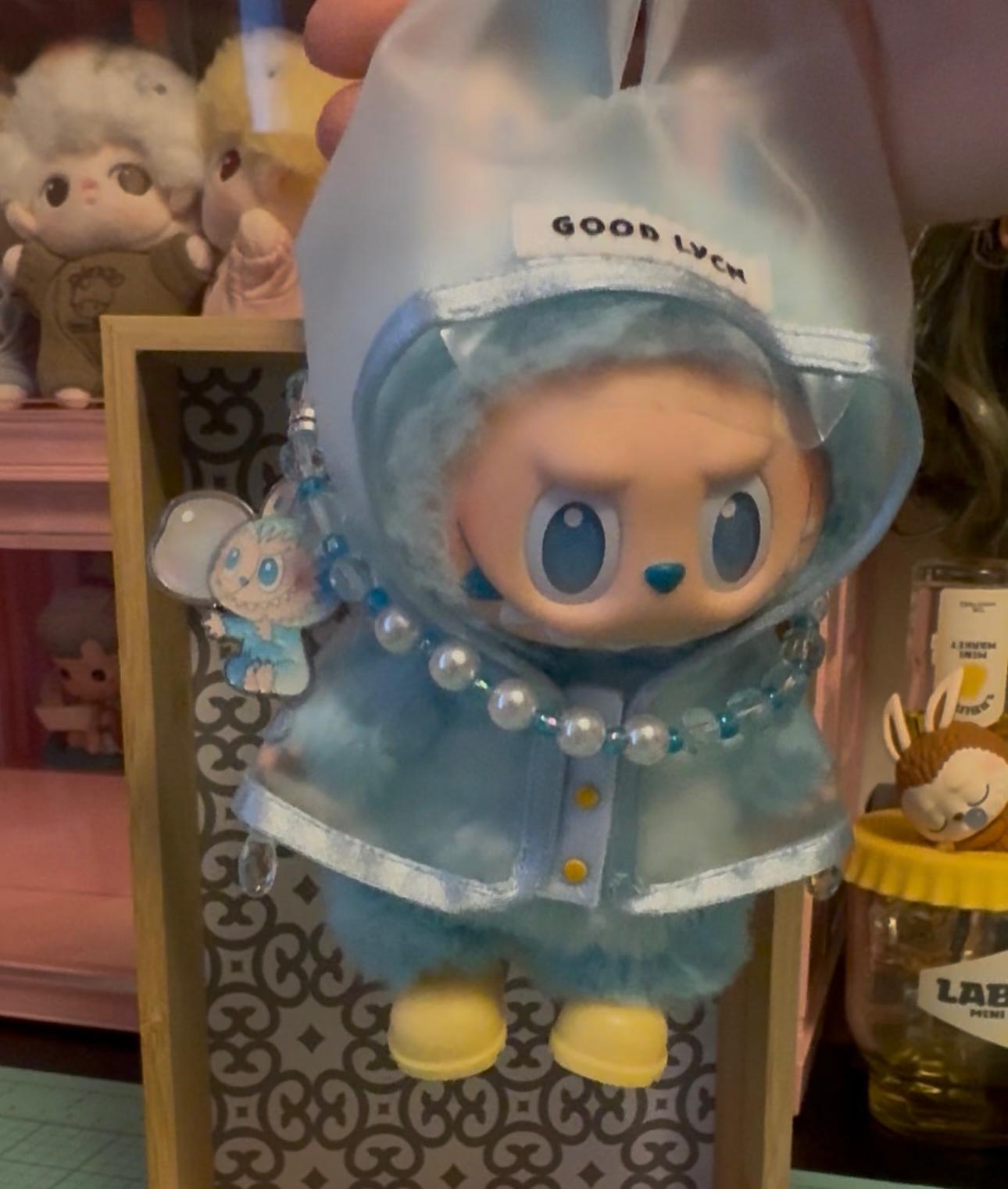
So, when someone asks me for a "vintage Labubu doll," if they mean one of these resin grails, my honest answer is usually, "I wish." They are the pinnacle of a Labubu collection, but they are not something you can just add to your cart.
*What You Probably* Mean: The First Wave of Pop Mart LabubuNow, let's be realistic. 99% of the time, when someone is searching for an old Labubu, they're talking about the early blind box series from Pop Mart. This is what I call the "First Wave Vinyls."
This era began around 2018 when Pop Mart released "The Monsters Toys Blind Box Series 1." This was the series that started it all. It introduced Labubu, Tycoco, Spooky, and Pato to a massive new audience.
Are these "vintage"? Ngl, I don't think so. They're just the first vinyl editions. The toy scene moves fast, but a 2018 release isn't exactly antique. However, they are definitely "older" and have their own unique collecting quirks.
The Evolution of Quality: If you compare a Labubu from that first 2018 series to, say, a figure from the recent Exciting Macaron Labubu series, you'll notice a difference. The early figures are fantastic, but Pop Mart's production quality has definitely improved. The paint application on newer series is often crisper, the seam lines are cleaner, and the overall finish is more refined.
The very first series had a slightly more matte finish compared to the glossier look of many later series. The vinyl itself can sometimes feel a little different. It's a subtle thing, but when you've unboxed thousands of them like I have, you start to notice.
The Packaging Tell: Here's a real collector tip. One of the easiest ways to spot an early Pop Mart series is the box and foil. The very first series had simpler packaging. The box art was great, but the cardboard felt a little thinner. The inner foil bags were often plain silver, without the elaborate character art you see on them now. If you find a Labubu in a plain silver bag, chances are it's from an older run.
The "Labubu Back" Detail: This is a fun one. The keyword "labubu back" pops up, and it's a perfect example of the difference.
On an original Kasing Lung resin piece, the back or bottom is often blank, or it might have a simple, hand-etched artist signature and a number (e.g., "Kasing 23/100").
Now, grab any modern Pop Mart Labubu. Flip it over. On the labubu back or under its feet, you'll see a lot more text. It's cleanly printed and standardized: "Kasing Lung," "POP MART," the year, and other copyright information. The early Pop Mart figures have this too, but the font and placement have been tweaked over the years. It's a tiny detail, but it's a clear marker of the transition from artist-made object to mass-market product.
Real Talk: Is Hunting for an "Old" Labubu Worth It?
Okay, let's have an honest seller-to-collector chat.
My hot take? The obsession with finding a "vintage" Pop Mart Labubu is a little overblown. Yes, the first series is iconic. It's the origin. But the secondary market prices for a complete set, or even just the chase figure, can be absurd. You could be paying $300-$500 for a set that originally cost around $120.
Honestly, the design improvements in later series are significant. Series like Have a Seat Labubu V2 or the crossover with One Piece show so much creativity and polish. You're often getting a better-made, more interesting figure for a fraction of the aftermarket price of a "first series" common.
The real joy of collecting Labubu, for most people, isn't about owning the absolute oldest thing. It's about finding the designs that speak to you. Do you love the foodie theme of the Macarons? Or the bright, bold colors of the popular Pink Labubu figures? That's where the fun is.
Chasing the artist resins is a different game entirely. That's for the deep-pocketed, hardcore art toy collector. It's a serious investment and a very difficult hunt. For 99.9% of us, it's something to admire from afar.
So my advice is this:
1. Define "Old": Know what you're actually looking for. Are you a historian seeking a multi-thousand dollar resin statue, or a fan who wants to own a piece of the early Pop Mart hype? 2. Check the Market, But Be Skeptical: If you're hunting for a Series 1 vinyl, be prepared for inflated prices. And be extremely wary of fakes. The first series is heavily counterfeited. If a price seems too good to be true, it is. Learning the basics of what makes Labubu so special is a good first step, and you can get a good overview in our ultimate guide to Labubu dolls. 3. Don't Sleep on New Releases:* The best way to build a collection is to get in on the new series as they drop. You get them at retail price, you get the thrill of the unboxing, and you know they're 100% authentic. Five years from now, these will* be the "older" series everyone is looking for.
The story of Labubu is a fascinating look at how a character can evolve from an artist's sketchbook to a global icon. The "old Labubu" is the beautiful, handcrafted roots, while the early Pop Mart figures represent the spark that lit the fire. Both are important parts of the story.
But for your own collection, the most important part of the story is the one you build yourself. Don't get so caught up in the "vintage" hype that you miss out on the amazing figures being released right now. If you're ready to jump in and see what's new, you can always browse our LABUBU collection right here at PopNya. We're always getting the latest drops and making sure everything is authentic, so you can collect with confidence.
Disclosure: PopNya may earn a commission if you purchase through links on this page.


