

I remember the day the dada labubu have a seat first dropped. It wasn't like a normal blind box release. It was an event. On social media, it was an instant explosion. Every collector group I'm in was just a waterfall of "ISO DADA" (In Search Of Dada) posts. As a seller at PopNya, my inbox was flooded. People weren't asking, they were begging. It was the kind of hype that makes you take a step back and go, "Whoa, what is happening here?"
This wasn't just another cute figure. The pop mart labubu dada was different. It's part of "The Monsters Have a Seat" series, a collection of larger, non-blind-box figures. But Dada, with its muted grey-brown plush body, oversized vinyl head, and that signature melancholic stare, just hit a nerve. It has this quiet, almost sad-cute vibe that's totally different from the usual bright and cheerful Labubu. It's a whole mood. And that mood, apparently, was something everyone wanted on their shelf.
The Price Problem: Why Is Dada So Expensive?
Let's get this out of the way. The dada labubu price is, frankly, insane. When it was first released, the retail price was around $60-$70 USD, depending on the region. Today? Good luck finding one under $180. I've personally seen authenticated ones on StockX push past $250 during peak hype. I've seen bidding wars in Facebook groups end at prices that could get you an entire case of a new blind box series.
So what gives?
It's a perfect storm of scarcity and insane demand. This wasn't a mass-produced item. POP MART released it in limited quantities, and it sold out almost instantly. Unlike blind boxes where you might get a chase you don't want and can trade it, Dada was a specific purchase. You either got it at retail, or you didn't.
Then the influencer effect kicked in. Photos of this moody little monster on aesthetically pleasing desks and shelves went viral on Instagram and Xiaohongshu (a Chinese social media app). It became a status symbol. It wasn't just a toy; it was a piece of home decor, a flex. This drove the aftermarket price into the stratosphere. Every time someone posts a new picture of their labubu doll dada, a dozen more people decide they need one, too.
Our Take: The Real Talk on Dada
Okay, honest seller moment. Is the popmart dada worth $200+?
For 95% of people, the answer is no.
Look, I love this figure. The quality is great, the design is iconic. But paying 3-4x retail for any designer toy is a decision you need to think about carefully. It's easy to get swept up in FOMO (Fear Of Missing Out). You see it everywhere and feel like you have to have it to be a "real" collector. That's a trap.
My advice? If you're a die-hard Kasing Lung fan and this is your absolute grail, and you have the disposable income, go for it. It will make you happy every time you look at it. But if you're a casual collector or new to the hobby, please do not feel pressured to drop that kind of cash. There are so many incredible figures you can get for a fraction of the cost. You could explore the entire Exciting Macaron Labubu series for that price. The joy of collecting is in the hunt and the love for the art, not just owning the most expensive piece.
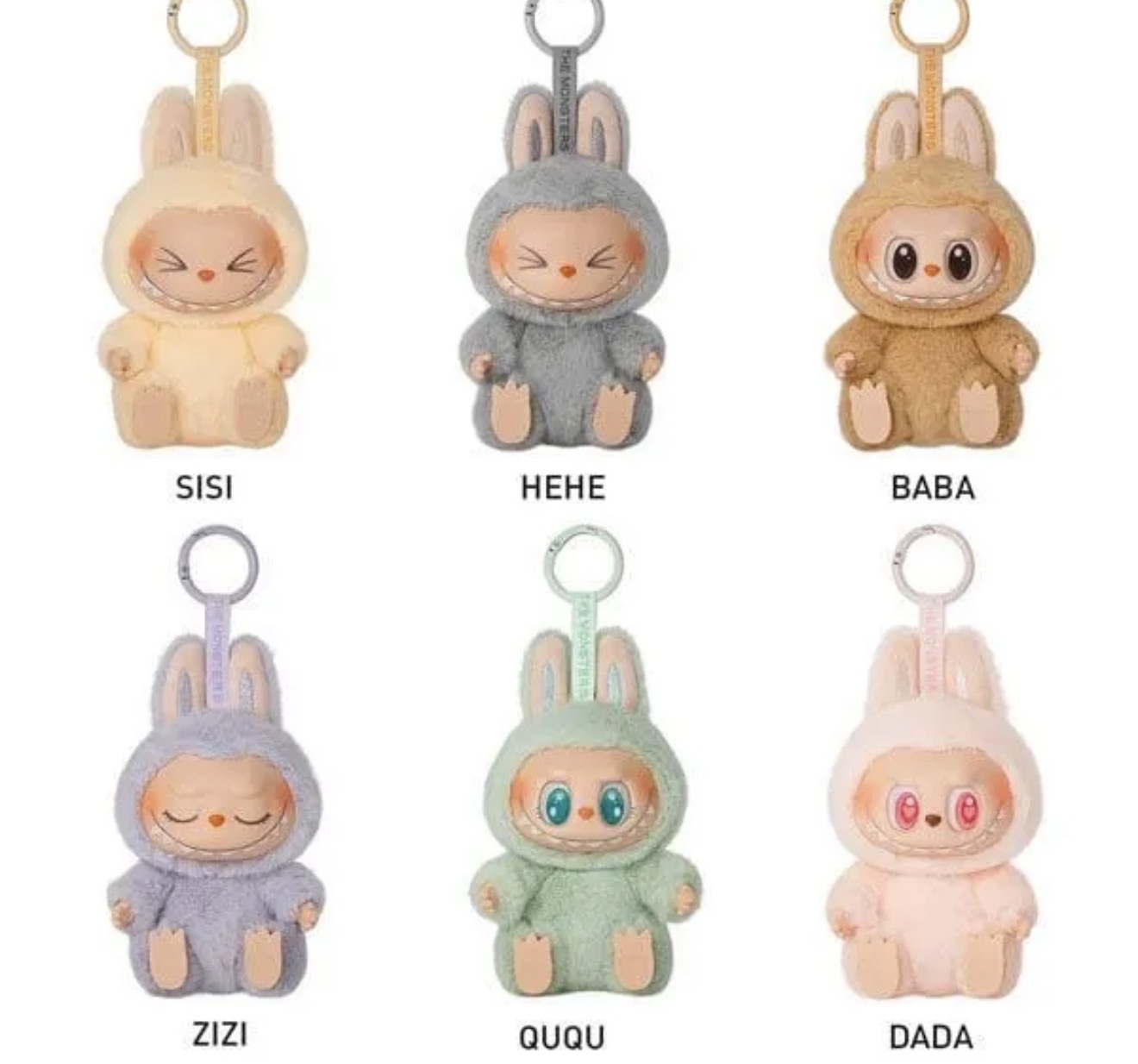
The hype around Dada is similar to what we saw with the Have a Seat Labubu V2 series, but amplified. It's a beautiful piece, but its value is massively inflated by the secondary market. Don't let it burn you out.
The Authenticity Minefield: Your Guide to Spotting a Real Dada Labubu
Because of the high price, the market is flooded with fakes. It's heartbreaking to see someone in a collector group post a photo of their new "Dada" that they paid $150 for, only for everyone to gently break the news that it's a counterfeit. If you see a dada labubu for sale at a "too good to be true" price (like, under $100), it's almost certainly a fake.
Here's what I look for when authenticating one for the shop. This is how you can protect yourself and ensure you're getting a real dada labubu.
1. The NFC Chip: Your #1 Weapon
This is the single most important detail that most counterfeiters can't replicate. Newer, authentic POP MART products, especially high-value ones like Dada, have an NFC (Near Field Communication) chip.
* Where is it? It's usually embedded in the collector card that comes inside the box, or sometimes on the box itself. It looks like a small, flat, often circular sticker or is just hidden within the paper. * How to use it: Turn on the NFC function on your smartphone (most modern iPhones and Androids have this). Simply tap the back of your phone to the collector card. A notification should pop up, directing you to a POP MART verification page. This page will confirm the product is a labubu dada original. * The Fake-Out: Fakes might have a QR code that leads to a fake website. Or they'll have no chip at all. If it doesn't scan, or it scans to a weird, non-official looking site, it's a huge red flag. No NFC verification is a deal-breaker for me.
2. The Box Tells a Story
Before you even get to the figure, study the box. Counterfeiters cut corners here.
* Cardboard Quality: The real box is made of thick, sturdy cardboard with a slightly matte, premium feel. Fakes often use flimsy, glossy cardboard that feels cheap and crushes easily. * Printing: Look at the artwork of Kasing Lung's monster. On a labubu dada original, the lines are crisp, the colors are perfectly saturated, and the text is sharp. Fakes will have blurry printing, slightly "off" colors (often too dark or too washed out), and sometimes even typos. The font might be close, but not an exact match. * Holograms and Seals: The official box has specific security seals and often a holographic POP MART sticker. Examine these closely. The real holograms have depth and complexity. Fake ones are often just flat, shiny stickers that don't change much when you tilt them in the light.
3. Examining the Labubu Doll Dada Itself
So you've got the figure out of the box. The differences are in the details.
* The Face: This is a big one. The real Dada has a vinyl head with a distinct, high-quality matte finish. It shouldn't be shiny or greasy. Fakes almost always have a semi-gloss or fully glossy face because it's a cheaper production method. The paint application on the eyes and mouth should be flawless, perfectly clean lines with no bleeding or smudging. * The Plush Body: The real Dada's plush is soft but dense. The stitching is tight, even, and almost invisible. On fakes, the plush can feel thin or overly synthetic, and you'll often see sloppy, uneven stitching, especially around the neck where the head joins the body, or on the paws. * The Tags: Don't forget the tags! The real figure has a high-quality fabric tag sewn into the body and usually a cardboard hang-tag. The printing on these should be as crisp as the box. Check the fonts, the POP MART logo, and the material information. Fakes often have flimsy paper tags with blurry text.
A Quick Note on "Dede Labubu"
I see people searching for "dede labubu" all the time. It's just a common typo for Dada. While it's an innocent mistake, be aware that some shady sellers on platforms like AliExpress or Wish might intentionally use this misspelling in their listings to catch these searches and sell fakes to unsuspecting buyers. Always search for the official name. The world of labubus dada collecting can be tricky, and small details matter.
Where Can You Actually Find a Dada Labubu For Sale?
So, you've done your research, you know how to spot a fake, and you're ready to hunt. Where do you go?
Your chances of finding a popmart labubu dada at a retail store are basically zero at this point. The secondary market is your only real option.
* StockX: This is probably the safest, but most expensive, route. They act as a middleman and authenticate the figure before sending it to you. This peace of mind is what you're paying the premium for. The downside is high fees for both buyer and seller. * eBay/Mercari: A total mixed bag. You can sometimes find better deals here, but it's crawling with fakes. You MUST do your due diligence. Ask the seller for very specific photos: the NFC card, close-ups of the box printing, the face finish, the stitching. If they refuse or give you blurry photos, walk away. Use payment methods with buyer protection, like PayPal Goods & Services. * Facebook Collector Groups: This is where you can find the best community and sometimes fair prices from fellow collectors. But it's also the highest risk. There is no built-in protection. Only buy from members with a long history of positive feedback. Ask for "refs" (references from other members they've dealt with). * Specialty Stores (like us!): At PopNya, we occasionally get authenticated, pre-owned Dadas. They sell almost instantly, but we're extremely rigorous about our authentication process. It's always worth keeping an eye on our LABUBU collection just in case one pops up.
Ultimately, the hunt for Dada is a marathon, not a sprint. It's a journey that teaches you a lot about the designer toy market, from spotting fakes to understanding aftermarket dynamics. It's more than just a purchase; it's a quest. If you're new to the hobby, I'd suggest starting with some more accessible figures to learn the ropes first, our ultimate guide to Labubu dolls is a great place to start.
Don't let the hype consume you. Collecting should be fun. But if you do finally manage to track down a real Dada at a price you're comfortable with, and you hold that moody little monster in your hands... Yeah. It's a pretty great feeling.
Disclosure: PopNya may earn a commission if you purchase through links on this page.


