

So you're looking for a LABUBU checklist.
I get it. It's probably the most common question I get messaged at PopNya, right after "Do you have any Macaron secrets in stock?" (The answer is almost always a painful "no, sorry"). You've fallen down the rabbit hole of Kasing Lung's adorable, toothy monsters, and now you want to bring some order to the chaos. You want a list. Something to work towards.
Here's the thing, though. Every "complete LABUBU checklist" you find on Pinterest or in a Facebook group is, in some way, lying to you.
They're usually just low-res images of the collector cards, ripped from a Google search. They're static. They're almost always incomplete, missing the weird regional exclusives, the promotional figures, or the special artist collaborations. Most importantly, they don't tell you the real story. They don't tell you which series had terrible quality control, which one was secretly a goldmine, or which one is pure, unadulterated hype that you should probably avoid.
As someone who handles these little guys every single day, packing them for orders, displaying them, and, yes, collecting them obsessively, I've learned that a checklist isn't a finish line. It's a map. And you need to know how to read it properly.
The Problem with "Complete"
Let's be real. The idea of a complete labubu checklist is a myth, a beautiful and terrifying siren song for your wallet. Pop Mart and Kasing Lung are a machine. Between the main blind box series, the 400% and 1000% figures, the plushies, the keychains, the Gashapon series, the special event exclusives (like the Summer Soul or Beijing Toy Show drops), and the brand collaborations, "complete" stopped being a realistic goal around 2021.
For example, did your checklist include the Labubu "Heart Macaron" that was a special gift with a high-value purchase at certain Pop Marts? Or the various colorways of the "Monster Pufferfish" that were only available at specific conventions in Asia? Probably not.
Chasing "complete" is the fastest way to burn out. You end up buying figures you don't even like just to fill a slot, paying insane aftermarket prices driven by FOMO. I've seen it happen a hundred times. A collector will spend $500 completing a set, feel a brief moment of satisfaction, and then two weeks later, a new series is announced and the anxiety starts all over again.
Instead of chasing an impossible ideal, I think about checklists in a different way. It all depends on what kind of collector you are.
What's Your Goal? The Three Collector Playbooks
When I talk to customers, I find they usually fall into one of three camps. Figuring out which one you are is the first step to building a checklist that actually works for you.
1. The Completist (The Librarian)
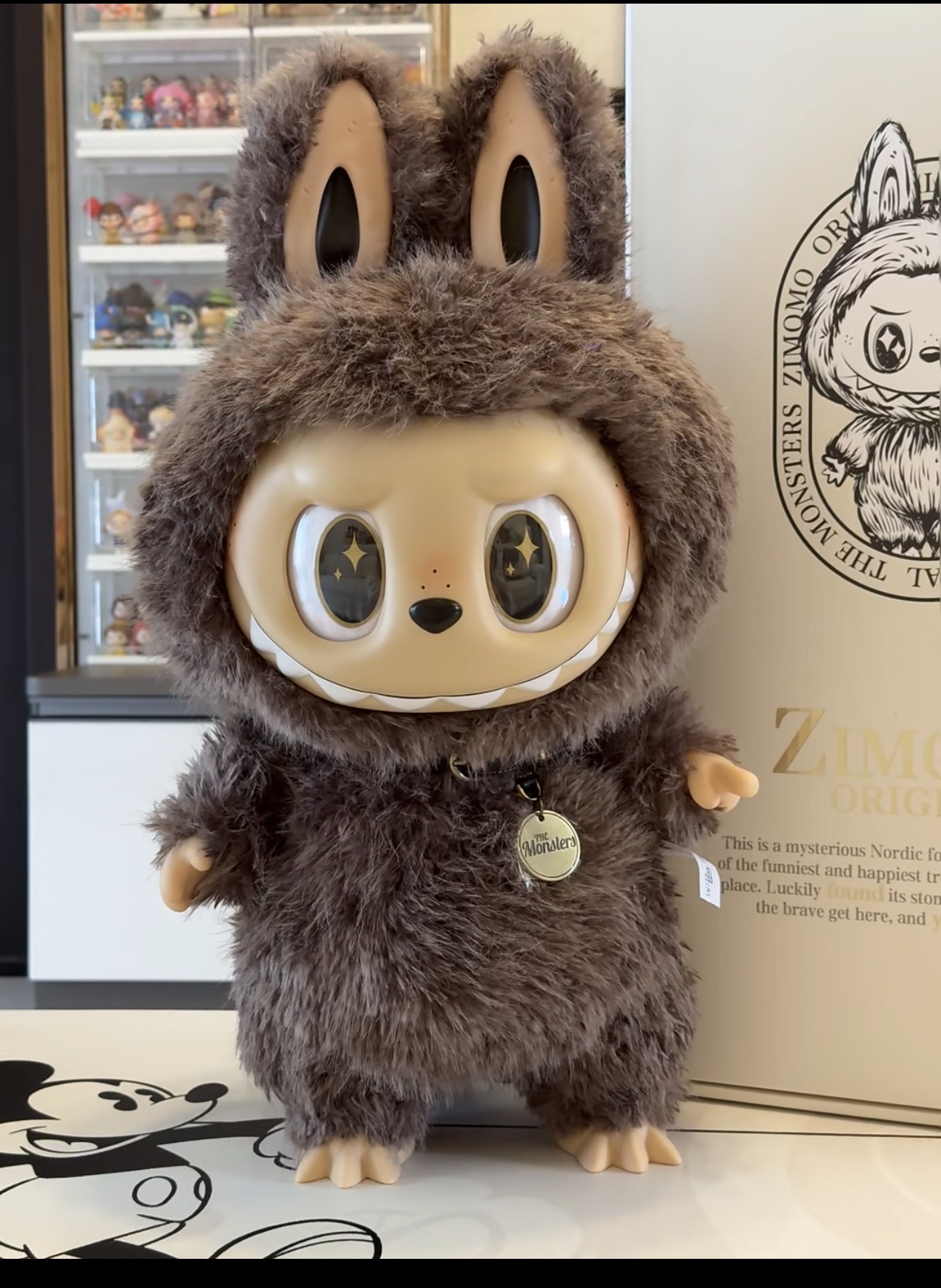
This is the collector who wants one of everything in a given series. You open a box, you get a duplicate, and you immediately go to a trading group. Your goal is the satisfaction of seeing all 12 (or 13, with the secret) figures lined up perfectly. I respect the dedication. It's a huge part of the fun.
Your Playbook: For you, the standard collector card image is a good starting point. But you need to augment it. I recommend a simple Google Sheet or a Notion page. Track the 12 regulars, the secret, and, this is key, make a note of the market rate for the one or two "mini-chase" figures in the set. In almost every series, there's one regular figure that's way more popular and expensive than the others. In the Exciting Macaron series, it was Chestnut. Knowing this helps you decide whether to trade for it or just buy it outright, saving you from opening 20 boxes in frustration.
2. The Curator (The Aesthetic Collector)
You don't care about completing sets. You care about a vibe. You buy what you love. Maybe you only collect the food-themed Labubus, so you have Macarons next to figures from the Sweet series. Maybe you have a shelf that's just for all the pink Labubu figures. Your collection tells a personal story, not the story Pop Mart marketed.
Your Playbook: Forget official checklists. Your checklist is a mood board. Use Pinterest or an Instagram "Saved" folder. Screen-grab figures from different series that fit your theme. This is the most joyful way to collect, but it requires discipline. You have to be okay with having "gaps" in a series. Your goal isn't completion; it's curation. My advice is to follow accounts that post high-quality photos of individual figures out-of-box. This gives you a much better sense of a figure's character than the official promo shots.
3. The Investor (The Stock Trader)
You love the toys, but you also love the thrill of the market. You're watching prices on StockX, Xianyu (the Chinese eBay), and collector groups. You want to know which figures are going to be valuable. You're less concerned with the "Soy Milk" figure and more concerned with the 1:144 secret that's currently trading for $300.
Your Playbook: Your checklist is a spreadsheet, and it has more columns than anyone else's. You need: Series, Figure, Retail Price, Release Date, Secret Ratio, Peak Aftermarket Price, and Current Market Price. You're not just tracking figures; you're tracking hype cycles. You know that the price of a secret is highest in the first 48 hours after release, and you know when to sell. You also know that some figures, like the Grape from The Monsters Fruits series, have long-term value because of their design, not just their rarity. Your playbook is about data, and your biggest enemy is emotional attachment to a figure that's peaking in value.
Real Talk: My "Seller's Secret" Checklist
Okay, so that's how I see other collectors. But what about me? As a seller, my checklist is different. It's less about what I want to own and more about what I need to know. Here are a few things on my mental checklist that you won't find on any official list.
Quality Control History: I have a running tally of which series have issues. The first batch of the "Have a Seat" series had paint scuffs on the chairs and some Labubus didn't sit right. I had to check every one I sold. The V2 release was a huge improvement, but that memory sticks. The "Big into Energy" series had some figures with slightly loose heads. It's not a dealbreaker, but it's something I know to look for. This QC knowledge is more valuable than any rarity chart because it manages customer expectations, and my own.
The Packaging Tell: This is a deep cut. The glue pattern on the top flap of the blind box can sometimes vary between production runs. Or the saturation of the ink on the box itself. I once noticed a batch of the Macaron series where the boxes felt slightly thinner, and sure enough, that batch had a higher rate of minor paint defects. This isn't about spotting fakes (that's a whole other article), but about understanding the manufacturing process. These little details tell a story about where and when your toy was made.
The Hype-o-Meter: I have an internal hype rating for every series. The One Piece crossover? Maximum hype. It brought in a whole new audience. The "Let's Christmas" series? Lower, more seasonal hype. It's a great set, but its value is cyclical. Understanding the hype helps me give better advice. When the "Big into Energy" series dropped, the hype was astronomical. I had people begging to buy cases. I had to tell some of them, "Honestly, just wait a month. The prices will come down on the regulars." And they did. The hype meter is my defense against FOMO, both for myself and for my customers.
How to Build Your Own Smart Checklist
So, how do you put this all into practice?
Forget saving a JPEG to your phone. Start a Google Sheet. It's free, it's on all your devices, and it's infinitely customizable.
Create a few tabs: "My Collection," "Wishlist," and my personal favorite, "Hype I Skipped."
In "My Collection," list what you have. Add columns for Series, Figure Name, Price Paid, and maybe a personal "Joy Rating" from 1-5. It's amazing how this simple act can make you appreciate what you already own.
In "Wishlist," be specific. Don't just write "Macaron secret." Write "Exciting Macaron - Gold Chestnut." Track its current market price. This turns a vague desire into a concrete goal. You can watch the price, learn its fluctuations, and decide when and if it's the right time to buy.
The "Hype I Skipped" tab is your secret weapon against bad decisions. When a new, super-hyped series comes out and you feel that frantic urge to buy, look at this list. Add the new figure to it and wait. In a month, look back. Do you still want it? Or are you relieved you didn't spend $100 on a figure that's now selling for $30? This tab has saved me thousands of dollars.
A checklist shouldn't be a source of anxiety. It should be a tool for mindfulness in your collecting journey. It's the difference between being a frantic consumer and a thoughtful collector. It's your personal guide to navigating the wild, wonderful world of Labubu.
So, by all means, keep looking for that labubu checklist. But instead of just using it to tick off boxes, use it as a starting point for your own adventure. Figure out what you love, track the market if that's your thing, and don't be afraid to leave some boxes unchecked. The best collection isn't the most complete one, it's the one that's most you.
You might just find the perfect monster to start (or continue) your own, personal checklist.
Disclosure: PopNya may earn a commission if you purchase through links on this page.


